
HVAC Repair in Nantucket, MA
Homes here need heat from October through May and cooling from July through August. If your system quits, tell us what it's doing and a licensed contractor who covers Nantucket County will get in touch.
Tell us about the job
It takes about a minute.
Ten months of work, on an island that loses power
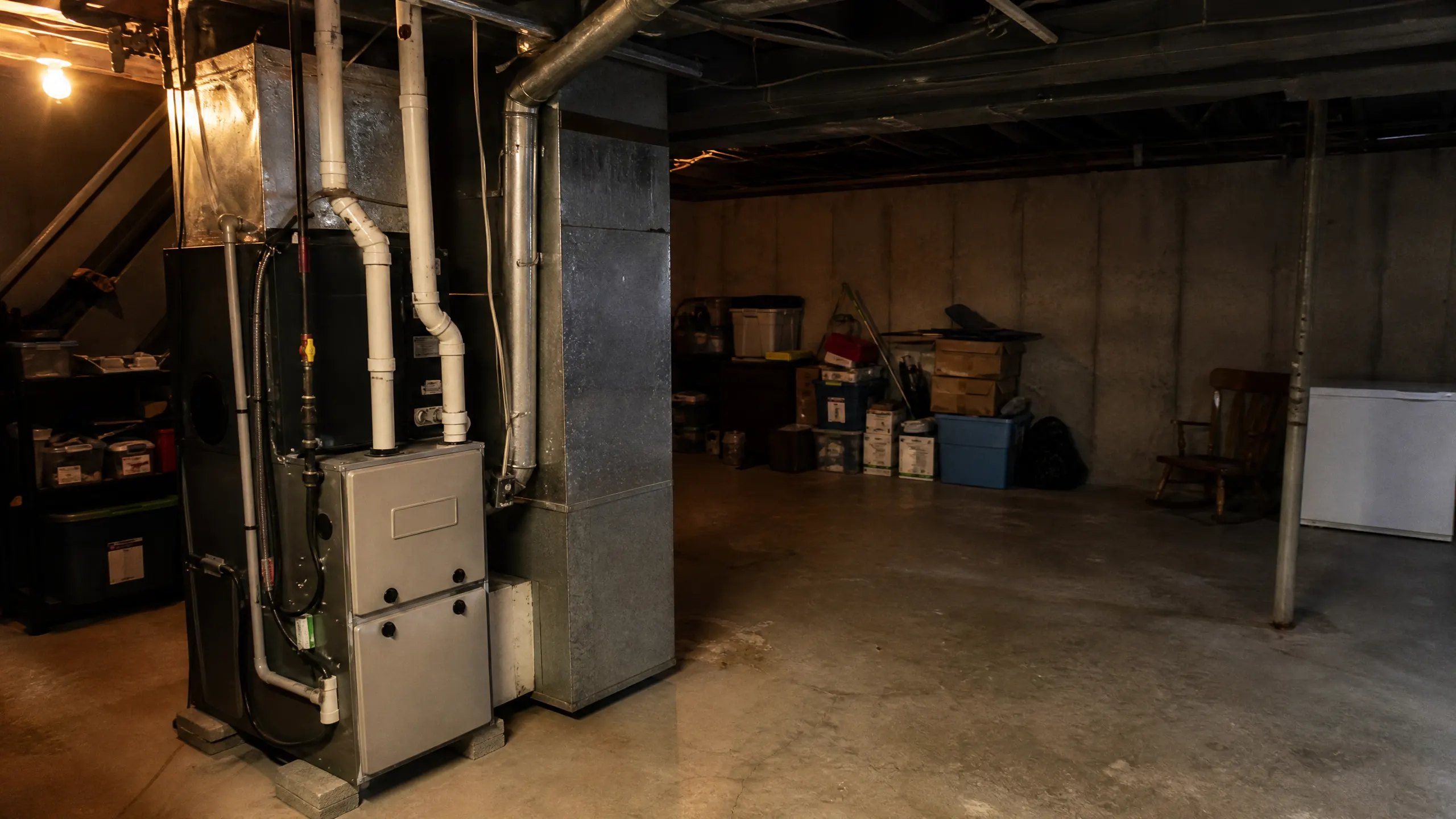
Your heating system runs October through May here, eight months of nights with the burner lighting and shutting off, or a heat pump cycling on and off. Winter lows average 28°F, cold enough that the system is working hard most of those nights. Summer is short, just July and August, with afternoons averaging 74°F, so the air conditioner gets far less use but still has to work when those weeks come.
Nantucket has logged 7 winter storms and 60 damaging wind events over the past ten years, and across Massachusetts about 1 in 10 households lost power for a full day or more in 2024. When the power drops, the furnace stops with it and the house starts losing heat right away. A system that restarts often, after outages or through a long cold season, puts more wear on the parts that get it going again.
- 8 months
- October through May, your system heats
- 2 months
- July through August, it cools
- 28°F
- the average winter night it heats against
- 74°F
- the average summer afternoon it cools against
NOAA nClimDiv, 1991–2020 normals
- Why is my heat not working?
- Start with the thermostat and the power to the furnace before you assume the worst. Check that it's set to heat and a few degrees above room temperature, and that the switch on the furnace itself, which looks like a light switch, is on. If the furnace runs on gas, check that the gas valve is open and the pilot or igniter is doing its job. Winter nights here average 28°F, so a furnace that's short cycling or blowing cold air needs attention the same day, not next week.
- Why is my system running but not cooling the house?
- A dirty air filter is the most common reason for this. When the filter is clogged, not enough air moves across the coil, and the coil can ice over so the air coming out feels weak or barely cool. Check the filter first and replace it if it's gray or matted. If the filter is clean and you still get warm air, the system may be low on refrigerant, and that's a leak only a contractor can find and fix.
- What can I check before calling for HVAC repair?
- Check the thermostat settings first, since a battery that's died or a setting that got bumped causes more no-heat and no-cool calls than people expect. Next, check the breaker for the furnace or air conditioner, since a tripped breaker will shut the whole system down. Look at the air filter and replace it if it's dirty. If the outdoor unit has a switch nearby, make sure it hasn't been turned off. Nantucket sees its share of wind events, and a breaker tripped by a storm is an easy thing to rule out before you call anyone.