
Nest cleared, flap not fixed
The vent runs again for now, but a loose or rusted flap still hangs open the same way it did before. Another bird finds it by next spring.
Get matched with a Middlesex County pro who cleans dryer vents.
Find a dryer vent proYou keep finding one, maybe twice a year, usually a house sparrow or a starling, pulling grass and twigs right into the outside hood of your dryer vent. You clear it out and a few weeks later there's another nest. It's not random. The vent is doing something that makes it a good spot, and until that changes, birds will keep finding it.
A dryer vent hood is supposed to have a flap or louvers that open when air is pushed out and close the rest of the time. If that flap is bent, stuck open, or was never installed right, the opening looks like any other hole in the wall to a bird looking for shelter. Add in the warmth left over after a load of laundry, and it's a more appealing spot than a cold gutter or eave. Cambridge winters are hard, so a warm, sheltered opening is worth defending to a nesting bird even in early spring. Once a nest is built, it blocks the duct enough that the dryer can't vent properly, which is the bigger problem underneath the one you can see.
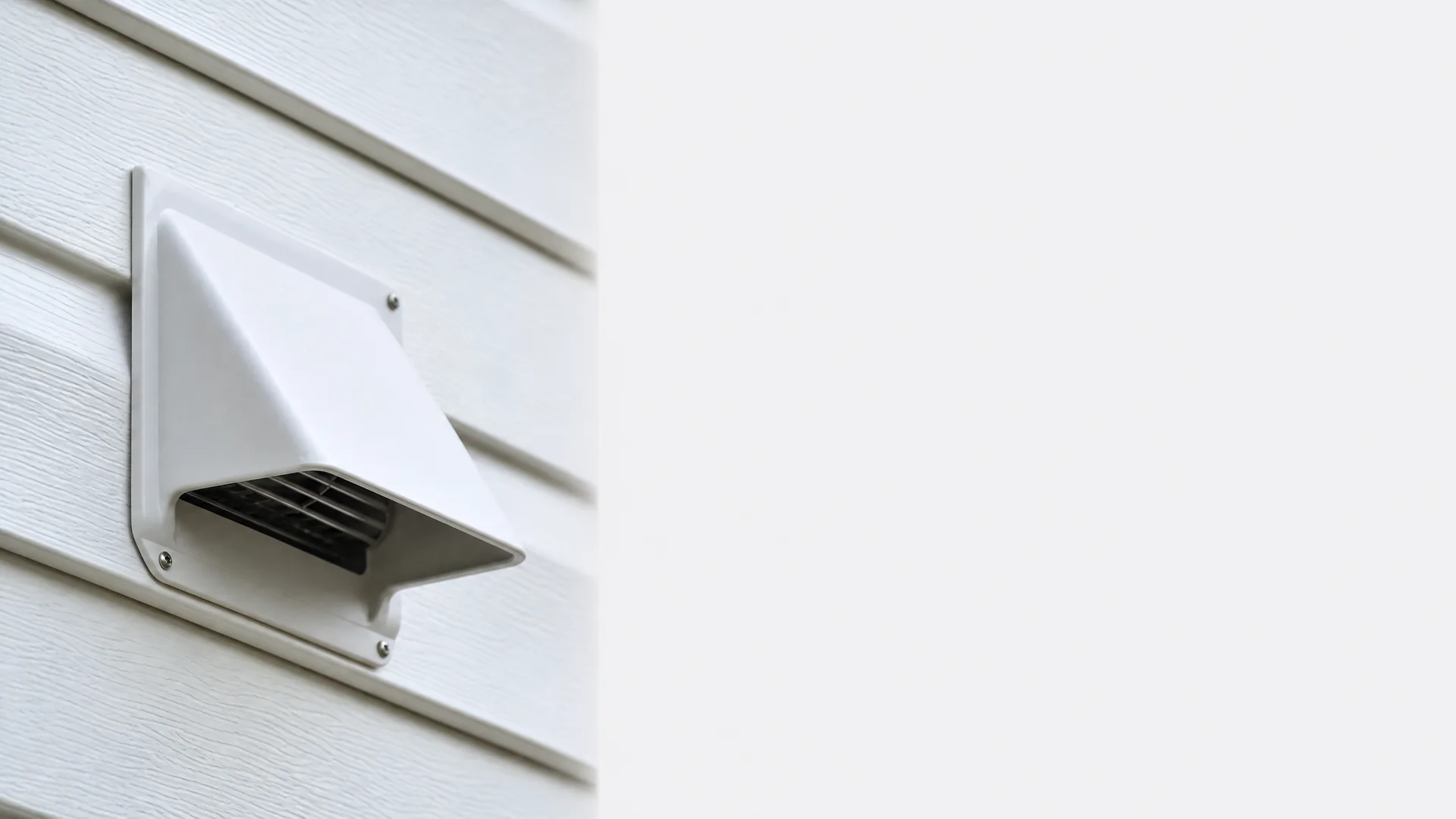
A dryer vent hood looks like a hollow, sheltered cavity from the outside, and the flap that's supposed to keep it shut often hangs loose or rusts open a crack. House sparrows and starlings both nest in cavities like this in the wild, so a vent hood reads the same way a knothole or an eave gap does. Warm air pushing out from a load of laundry only makes the spot more attractive during the colder months, when a bird is looking for someplace sheltered to settle.
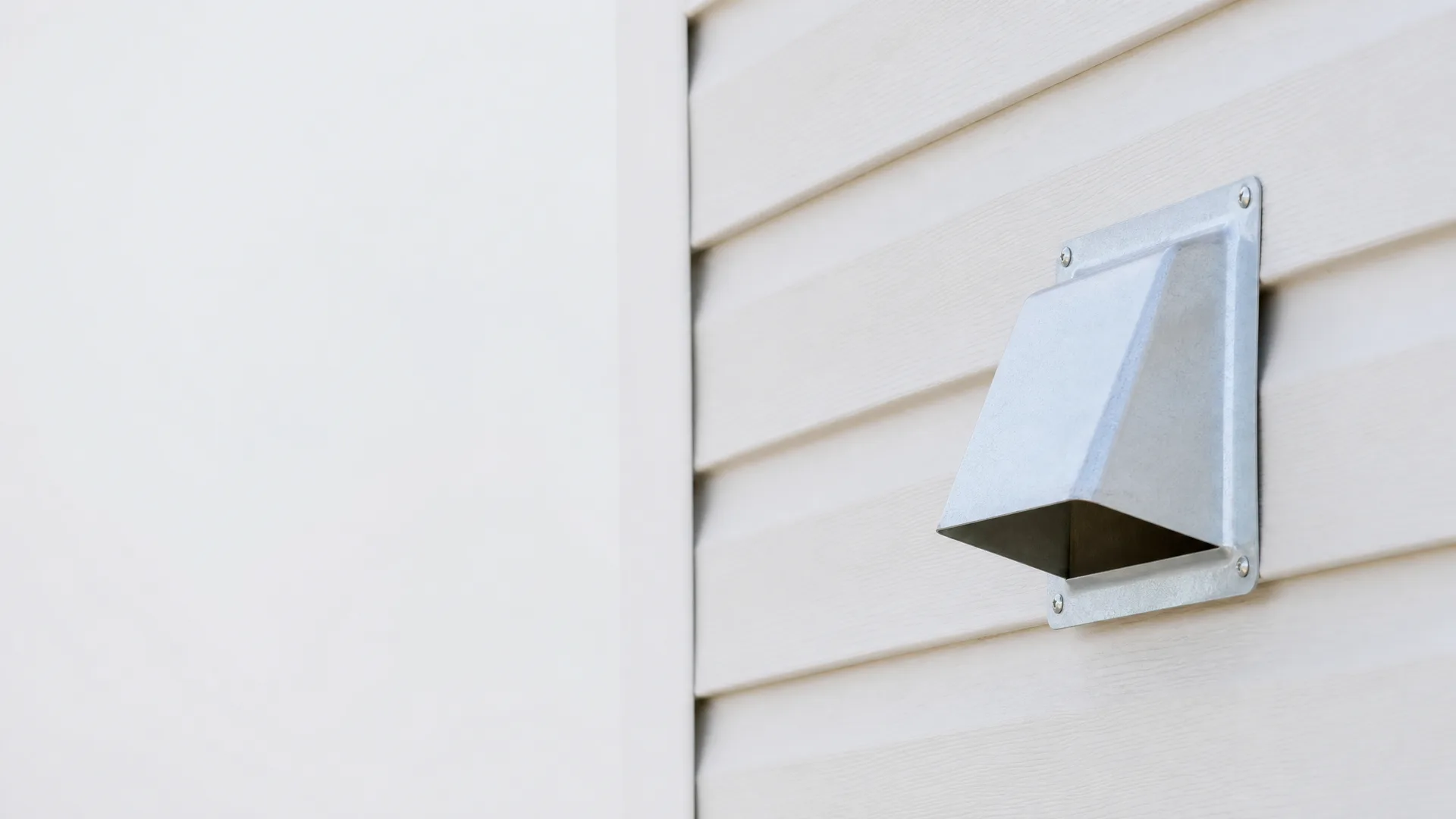
Lint and nesting material together slow the air coming out of the vent, and a dryer depends on that air moving freely to carry heat and moisture outside. When it can't, a load takes longer to dry, and the dryer runs hotter than it should on the inside. Over time that heat buildup is a fire risk, which is why a vent packed with twigs and grass is worth clearing out as soon as you find it, not left until the next time you notice slow drying.
2.49 people per household on average
With 2.49 people in the average household here, the dryer's probably running most days, which means a blocked vent gets tested fast.
Half the homes here were built by 1962
Half the homes in Middlesex County went up in 1962 or earlier, and a vent hood that old has had decades to rust and stop closing right.
Power here costs 31.00 cents per kilowatt-hour
At 31.00 cents per kilowatt-hour, a dryer forcing air through a nest-packed vent runs longer per load, and that adds up fast here.
ACS 2020-2024 · EIA-861 2025
A nest in there changes what the dryer does every time it runs. Lint has nowhere to go, so it backs up into the drum housing and the duct behind the wall, and that lint is what catches fire if the heat has no way out. You'll notice the dryer taking two cycles to do what one used to, or the top of the machine running hot to the touch. Clothes come out damp, so you run it again, and the gas or the power for that extra cycle shows up on the bill whether or not you ever track it down. Meanwhile the nest itself is doing what nests do, holding moisture against the vent and the wall it passes through, which is how you end up with a damp patch or a smell you can't place. None of this needs the bird to come back. One nest left in place all winter is enough.


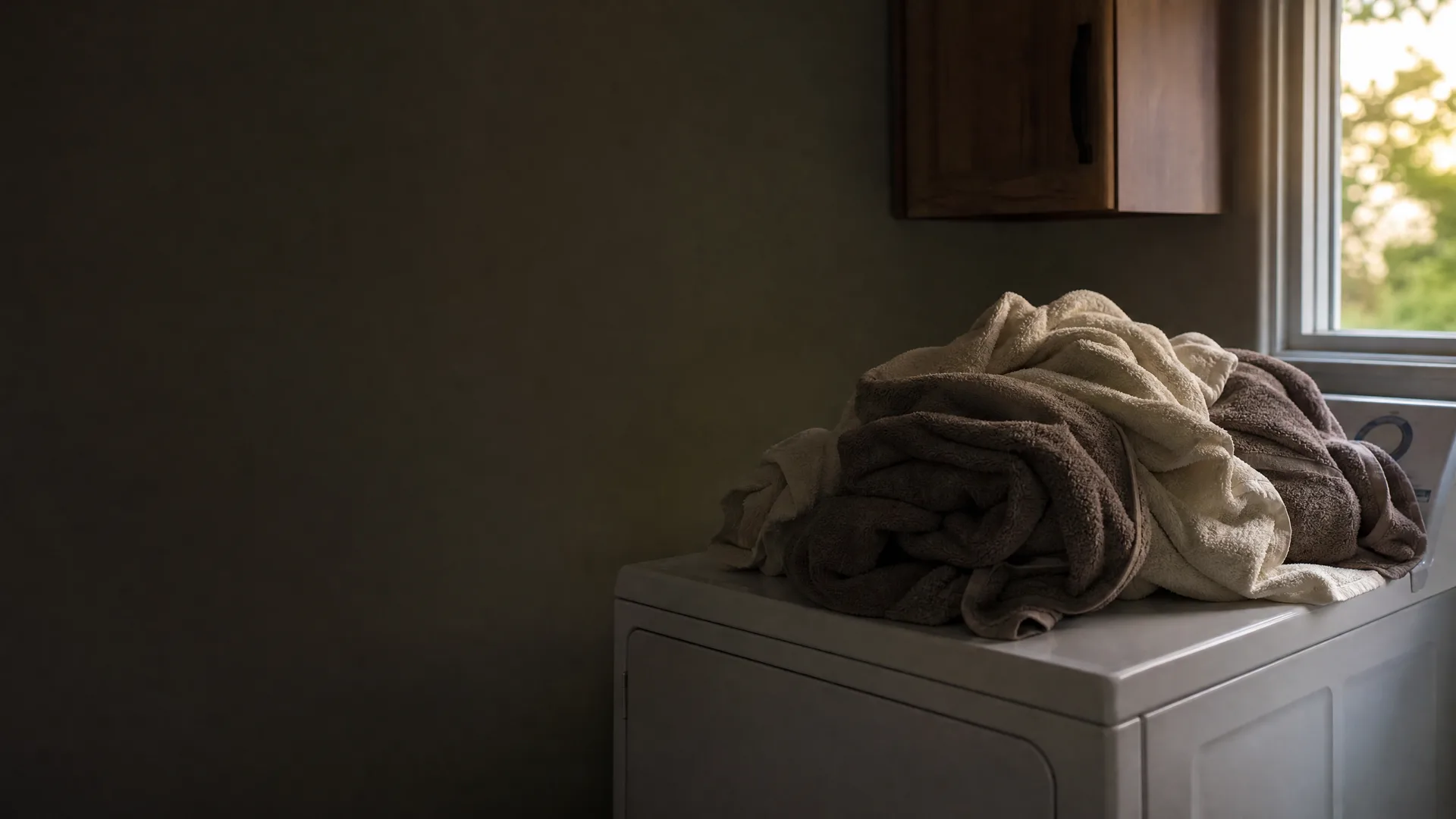
It's past seven and the Somerville line of traffic has finally cleared off Beacon Street. You go down to switch the load and the towels are still damp, heavier than they should be after a full cycle. The dryer's warm on top but the air coming off it feels thin, not hot. You open the door, feel around the lint trap, it's clear. Outside it's already dark and getting cold, not a night to be messing with the vent hood on the back of the house. You pile the towels back in, set it for another cycle, and head upstairs, telling yourself you'll look at the hood this weekend.
A nest doesn't come out on its own, and poking at it from inside with a vacuum hose just pushes twigs and lint further into the duct. Getting the hood off, clearing the vent run, and checking that the flap seats shut again is the kind of job that needs eyes on both ends of the line at once, outside at the hood and inside at the drum. That's two hands, not one, and most people don't have a ladder tall enough or the right brush for a duct that runs twenty feet through a wall. Winters here are hard, and a dryer that's already fighting a blocked vent runs longer and hotter to get a load dry, right when you're relying on it most. Cambridge summers get sticky too, and a damp towel that won't dry just sits there. Handing this off means someone who does this work checks the whole run, not just the opening you can see, and gets the vent moving air the way it's supposed to again.
A cleared vent still needs the flap working and the hood sitting right, or the next pair of sparrows will be back in there by spring. Pulling the nest out with your hands or a shop vac from the inside gets the bulk of it, but lint packed behind the nest in the duct run usually stays put unless something gets run the full length of the pipe. If your dryer vent runs more than a few feet before it reaches outside, or if there's a turn in it, reaching the far end from either direction is hard to judge by feel alone. Get it wrong and the dryer keeps running hot and slow even with the nest gone.
A contractor brings a rod and brush sized to the duct, so the whole run gets cleared, not just what a vacuum hose can reach. They'll also check the flap itself, since a bent or rusted hinge is usually why the birds got in to begin with, and a cleared vent with the same broken flap just invites the next nest. Some hoods need replacing outright rather than repaired. That's a judgment call easier made by someone who's looked at a few hundred of these than by guessing from a ladder on a Saturday. Once the vent's clear and the hood seals properly, the dryer goes back to running the way it did before the first nest showed up.
With 2.49 people in a typical household here, there's a decent chance someone's running a load most days of the week. That's a lot of chances for a blocked vent to show up as a damp towel and a hot laundry room before anyone thinks to check the hood outside.
ACS 2020-2024
Clear the nest yourself and the vent runs fine until the flap sags open again or the mesh you taped on traps lint same as feathers did.
Have someone check the hood and the flap while they're clearing it, and the fix holds past the next time a sparrow comes looking for a place to build.




The vent runs again for now, but a loose or rusted flap still hangs open the same way it did before. Another bird finds it by next spring.
Someone pulls the nest, runs the vent clear, and makes sure the flap seats shut and the hood sits right before leaving. That's what keeps the next bird out.
You've noticed the air around the dryer feels thicker than usual, almost humid, even though the machine's running the same cycle it always has. The outside hood might look fine from a few feet away, but up close you'd see bits of grass or straw poking out from under the flap, or feathers caught in the seam. Inside, the lint trap fills up faster than it used to between loads. Left alone, that trapped heat and lint is what turns a slow dryer into a fire risk, since the vent is the only path the heat has to get outside.
Sparrows or starlings pull twigs through a loose or rusted flap.
Nesting material packs the hood until the opening closes off.
Lint leaving the dryer backs up with nowhere to vent.
Trapped lint builds up in the duct behind the wall.

A bird pulling twigs into your dryer hood isn't bad luck. It's a flap that doesn't sit flush anymore, and until that's fixed, clearing the nest only buys you until the next sparrow finds the same gap. The towels taking two cycles, the warm damp air by the machine, the hood looking packed from the outside, all of it points back to the same opening.
Someone who checks the hood and the flap while clearing the duct can tell you whether the flap needs replacing or just needs to seat right again, and whether lint built up far enough back to matter. You don't have to figure out which one it is from the laundry room. Send the details once and a contractor who works on vents like yours in Middlesex County will reach out to look at what's actually going on behind your wall.

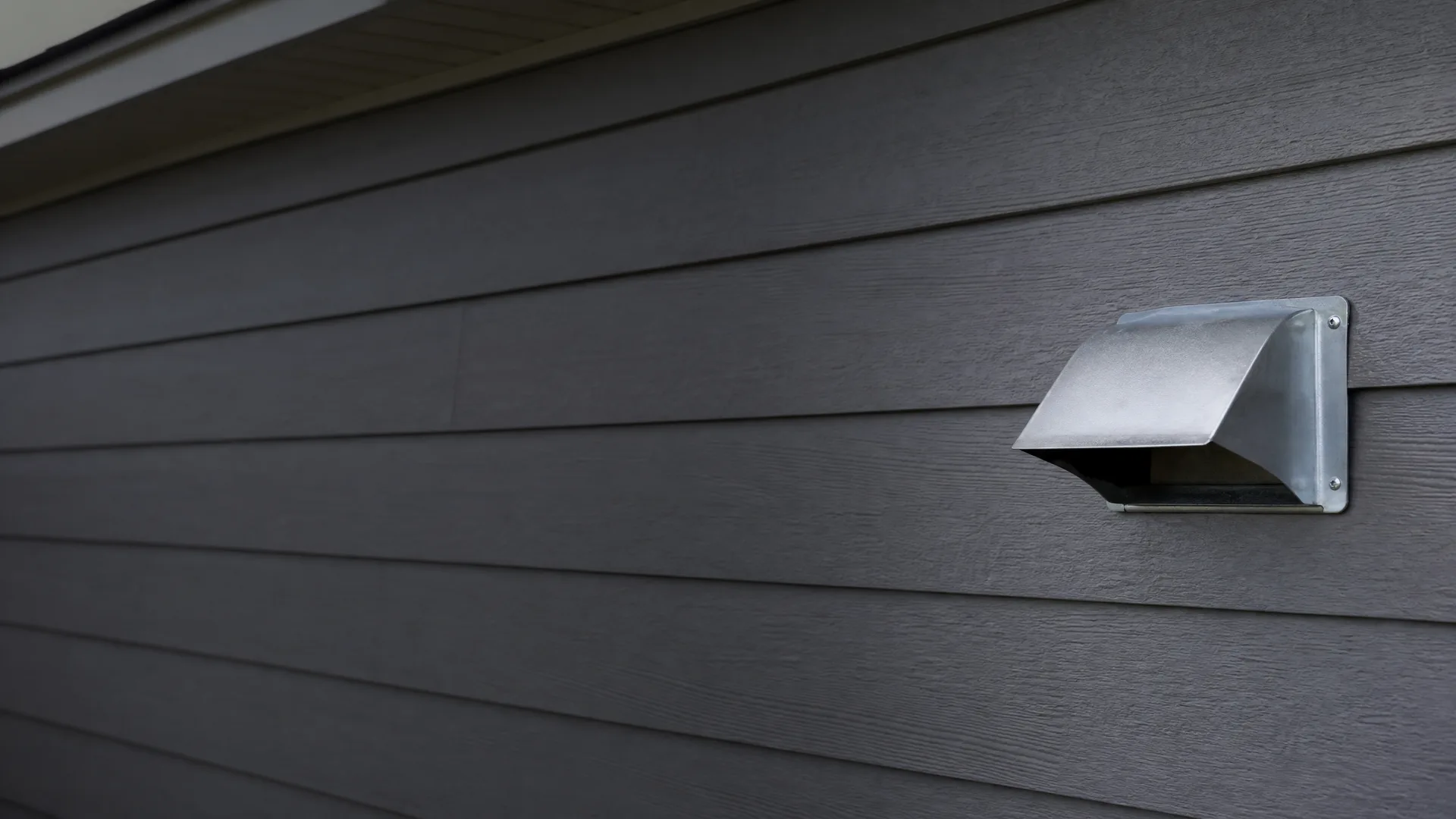
Send it once and finding someone is no longer on you.