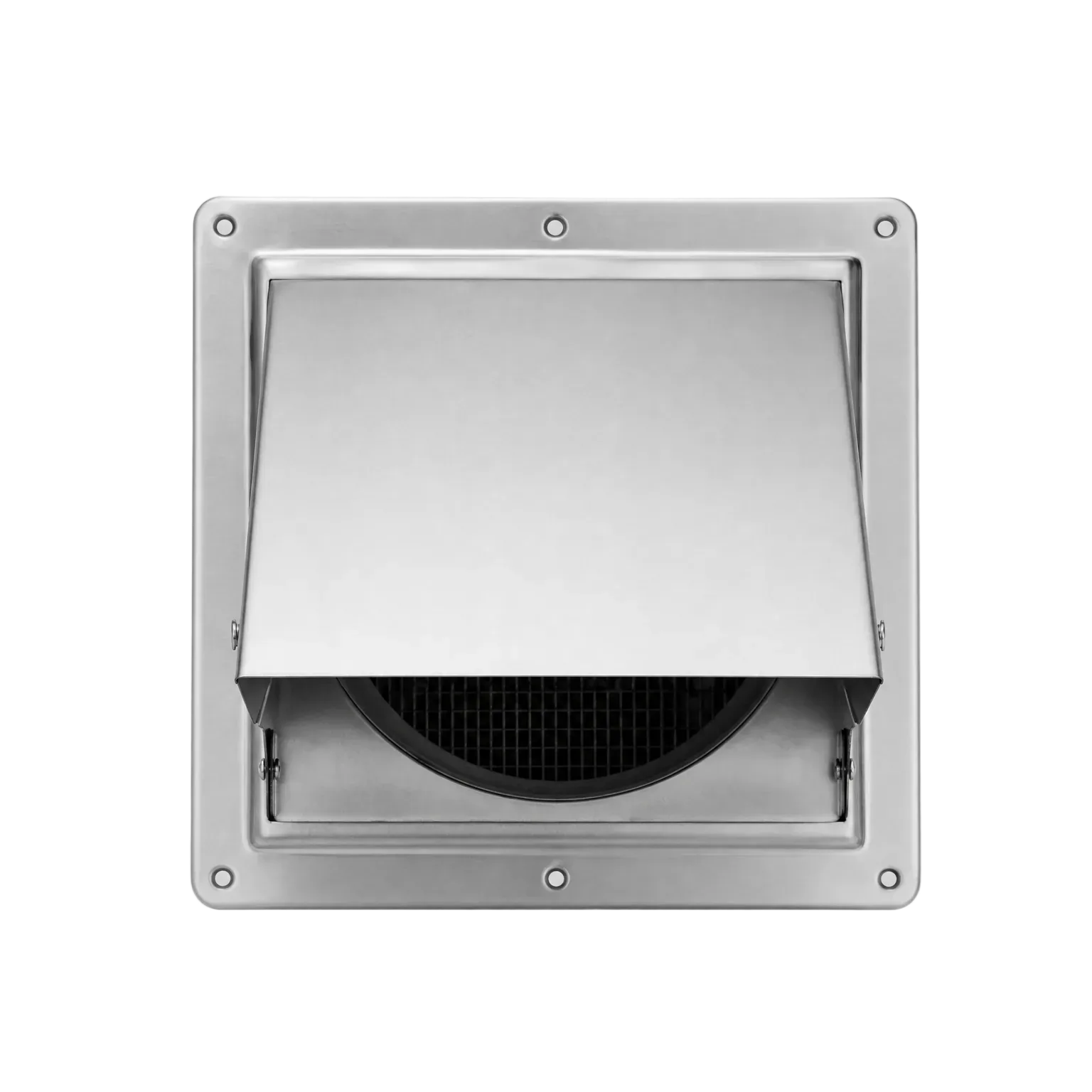


Vent cap clear
Air pushes the flap open and closes it again between loads. The screen stays free of lint, and the hood keeps rain out while the dryer runs. This is what a vent looks like when it's moving the air it should.
You load the dryer, run a full cycle, and pull out clothes that are still damp. So you run it again. Maybe a third time. It used to take one cycle. Now it takes two or three, and the laundry room feels warmer than it should, with a hot, stale smell to it. That usually points to one thing before any part of the dryer itself.
A dryer dries by pushing hot, wet air out through the vent to the outside. When lint builds up inside that vent, less air gets out, so the moisture has nowhere to go and the drum stays full of damp air. The dryer senses the clothes are still wet and keeps heating, which is why you end up running a second or third cycle for a load that should take one. In Suffolk County winters, a vent that's already partly blocked gets worse faster, since cold outside air makes it harder for the moist air to push through and out. A vent that hasn't been cleaned in a while is the first thing worth checking.




2.25 people per household on average
With 2.25 people in the average household here, laundry runs often. A vent losing airflow shows up fast when the machine barely gets a break between loads.
Half the homes here were built by 1949
Half the homes in Suffolk County were built in 1949 or earlier. A vent run that old has had decades to gather lint, kinks, or crush points that slow a dryer down.
Power here costs 32.11 cents per kilowatt-hour
Power here runs 32.11 cents per kilowatt-hour. A dryer fighting a clogged vent pulls that rate through two or three cycles instead of one.
ACS 2020-2024 · EIA-861 2025

If the vent run is short and straight, or it's been cleaned in the last year or two, a long dry time usually isn't about airflow at all. A failing heating element, a worn thermostat, or a clogged lint screen under the screen itself can all slow a dryer down while the vent stays clean. Worth ruling out before anything else, especially if the dryer is older and the vent was replaced or cleaned recently.

If nobody's had the vent cleaned since the house was bought, or the dryer has run for years without anyone pulling it out to check, lint has likely built up along the duct run. Longer runs, runs with elbows, and runs that go up through a wall or roof trap more of it. Once that lint narrows the duct, hot moist air has nowhere to go, and every load takes another cycle to finish.
Lint builds up inside the vent duct over many loads.
Airflow drops, so hot moist air leaves the drum slower.
The dryer runs longer trying to push air through it.
Heat and lint collect near the duct, raising fire risk.


Explain the job once and skip repeating it on every call.
Get matched with a pro who works on dryer vents in Suffolk County.
You're not committing to anything by asking.
Towels come out hot on the outside and damp in the middle. The dryer clicks off, you check the load, and it needs another twenty minutes. The top of the machine feels warmer than usual, and the laundry room picks up a faint burnt-dust smell partway through the cycle. Clothes come out with more wrinkles than before, like the tumbling isn't doing much. If you open the door mid-cycle, you can feel how little air is actually moving through the drum. Left alone, lint sitting in a duct that isn't venting properly is a fire risk, not just an inconvenience, and it's worth taking seriously rather than just running a fourth cycle.
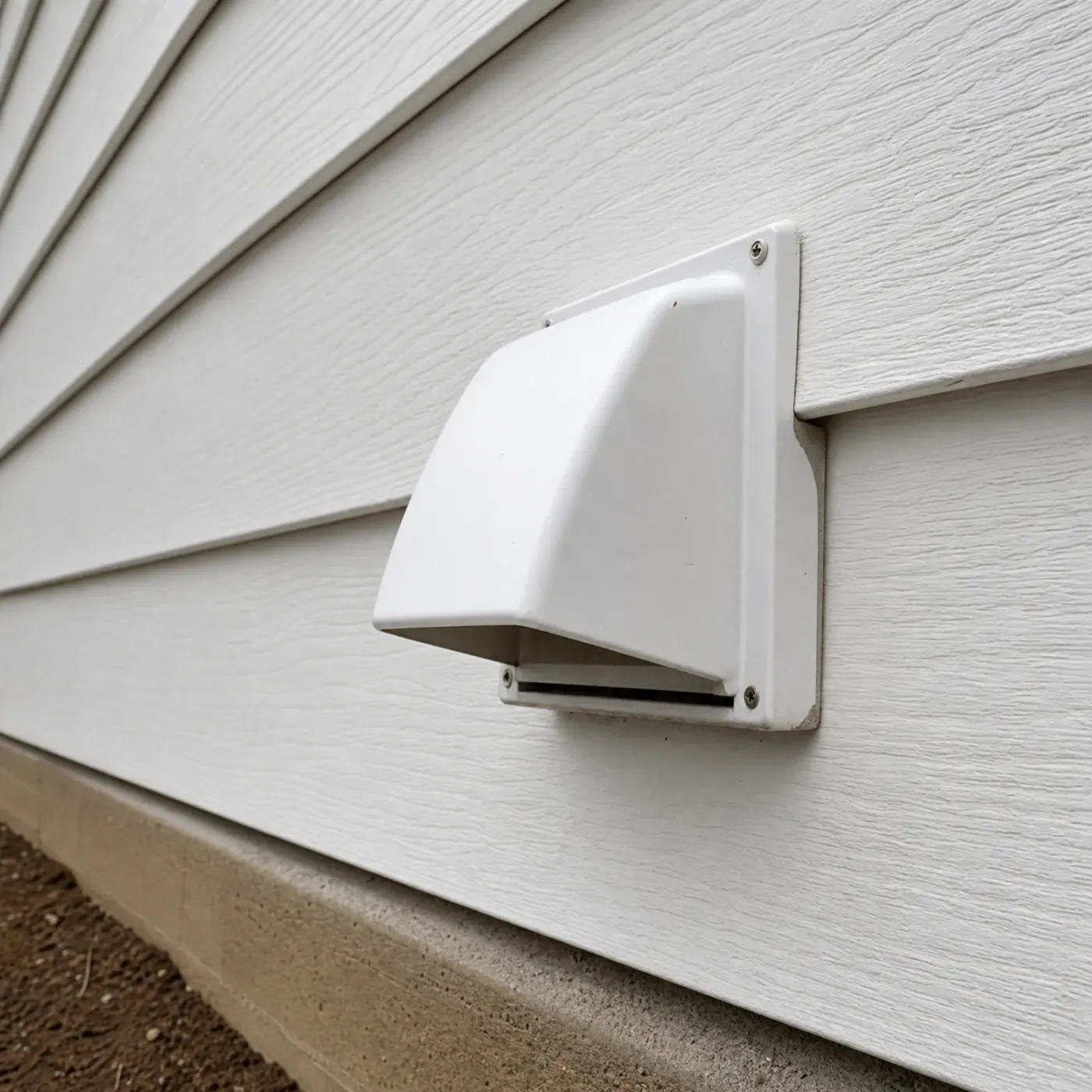
Air pushes the flap open and closes it again between loads. The screen stays free of lint, and the hood keeps rain out while the dryer runs. This is what a vent looks like when it's moving the air it should.

Lint has built up around the flap and the opening underneath it. The flap barely moves, if it moves at all, so less air gets out with each load. This is what sends a dryer into a second or third cycle.
A dryer that needs two or three cycles to finish a load is telling you the vent isn't moving air the way it should. Clean it out and the fix either holds or it doesn't, and either way you know more than you did before. What you don't have to do is spend an afternoon finding someone to look at it. You don't have to search through contractors, call a few, explain the damp towels and the hot top panel and the long runtime to each one, then sit with quotes trying to work out who actually knows vents from who just wants the job. That part ends once you ask for help here. You get matched with a contractor who handles this kind of work in Suffolk County, and they reach out to you. The vent still needs clearing, and nobody can promise what's left once it's clean. But you stop carrying the job of finding someone to trust with it.

Get your dryer vent to the right pro



