
Furnace Installation in Springfield, MA
A new furnace here will run from October through May every year. Tell us about the house, and a licensed contractor who covers Hampden County will get in touch.
Tell us about the job
It takes about a minute.
Springfield asks a lot of a furnace
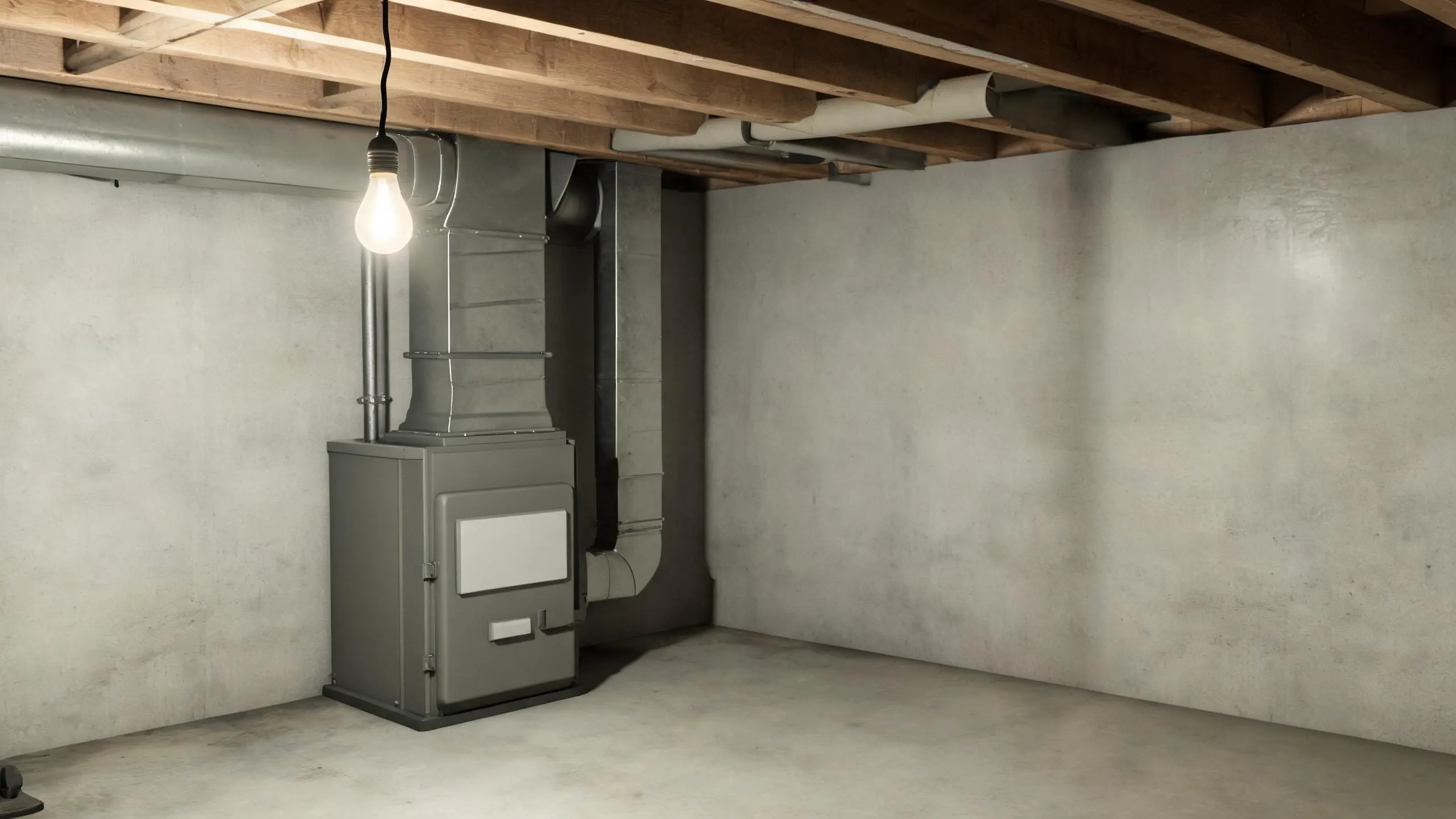
Eight months a year, October through May, your furnace is what keeps the house livable. Winter nights average 19°F, so on the coldest stretches it runs for hours at a time, not just in bursts.
Almost half the homes here heat with gas, and any new furnace installed now has to hit 80 percent AFUE, that is the federal minimum for a non-weatherized gas furnace built since late 2015. Power matters too. One in ten Massachusetts households lost power for a full day or more in 2024, and this county has logged 47 winter storms and 227 damaging wind events over the past ten years. A new furnace should be sized and installed for a season that runs long and doesn't always come with steady power.
- 8 months
- October through May, your furnace is on duty
- 19°F
- the average winter night it heats against
- 80% AFUE
- the federal minimum any new unit must meet
NOAA nClimDiv, 1991–2020 normals
A high-efficiency gas furnace would save about $190 a year to run in Hampden County compared with a gas furnace.
Estimates for a typical Hampden County home, from EIA household energy data, Massachusetts fuel prices and NOAA climate normals. Your home will differ.
- What size furnace does my house need?
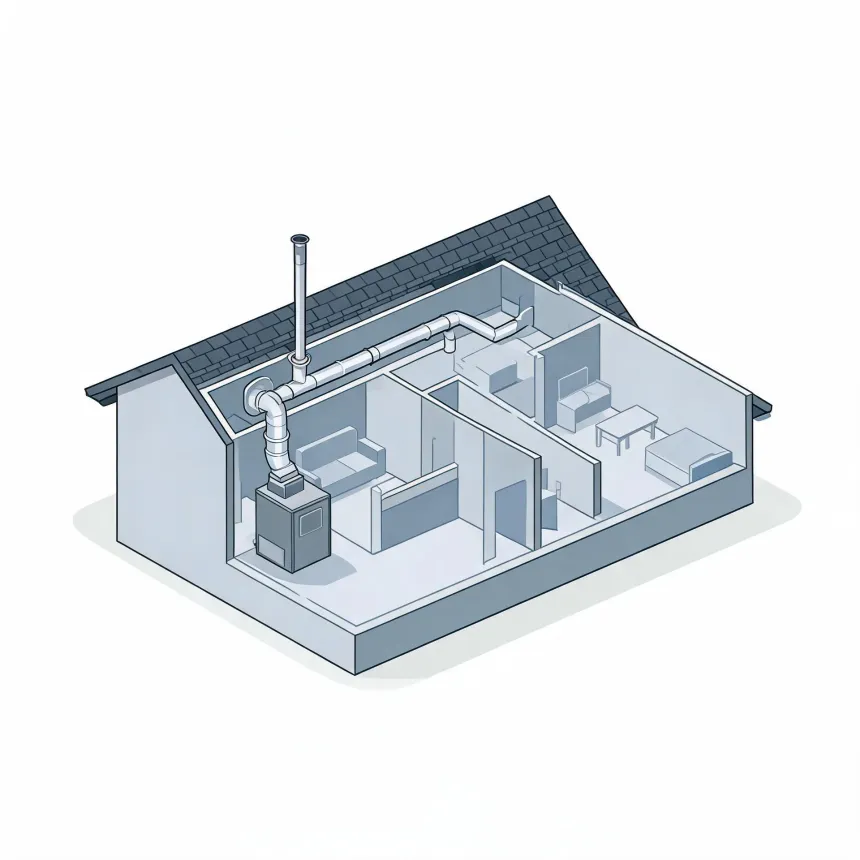
- The right size comes from a load calculation, not the square footage of your house alone. A contractor measures your windows, insulation, ceiling height, and how much outside air leaks in, then works out how much heat your house loses on a cold night. Since winter lows here average 19°F, that calculation matters more than it would in a milder climate. A furnace that's too big will short cycle and wear out faster, and one that's too small will run constantly and still leave rooms cold.
- How do I know it's time to replace my furnace?
- An old furnace that's starting to act up is usually the first sign, especially if you're calling for the same problem more than once. If it's cycling on and off more than it used to, or some rooms won't hold heat while others do fine, have a contractor look at it. They can tell you whether the unit is still sized right for the house or is just wearing out. Given that homes here need heat from October through May, a furnace that's struggling now is worth checking before the next cold stretch.
- Is a high-efficiency furnace worth it?
- It depends on how long you plan to stay in the house and what your current furnace costs to run. Any non-weatherized gas furnace built since November 2015 already has to reach at least 80 percent AFUE, so even a standard replacement today burns less gas than an older unit. A high-efficiency furnace goes beyond that minimum and wastes less heat out the vent, which adds up over eight months of heating season here. A contractor can look at your current furnace and your house to say whether the higher upfront cost makes sense for your situation.