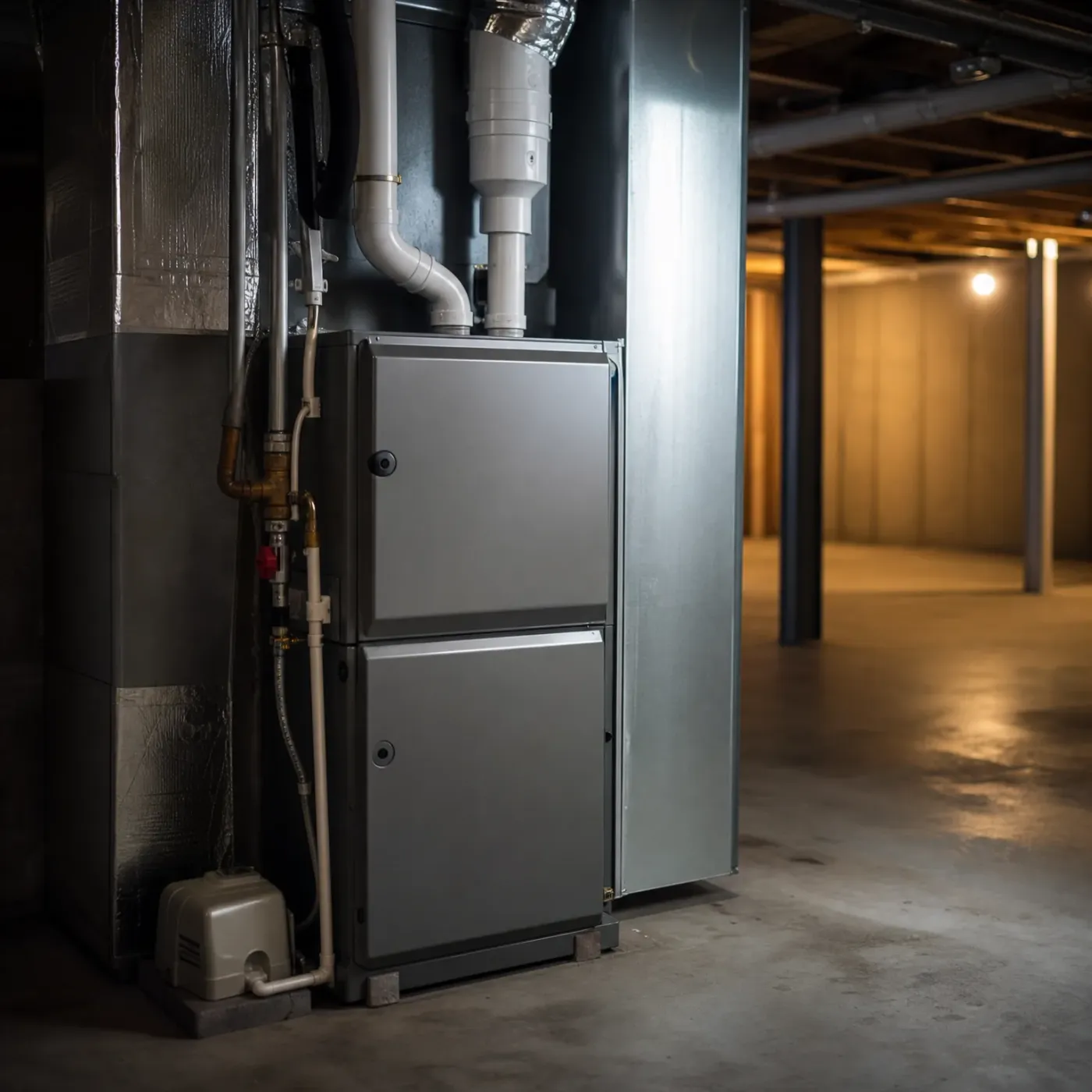

A gray high-efficiency furnace with PVC venting, copper and plastic piping, and a condensate pump sits beside sheet-metal ductwork in a concrete-floored basement.

Stop chasing a furnace pro

Why your furnace filter gets dirty fast in Massachusetts

A furnace filter in Massachusetts can go gray within weeks even when the house looks clean. Part of it is what's in the air outside, and part of it is how long the system runs once the cold settles in. This page gets into what's actually loading up that filter and what it means for the furnace behind it. When you're ready for someone to look at it, send the request and let a local contractor take it from there.

Hand off the search

A furnace filter in Massachusetts loads up fast because the furnace runs for long stretches once the cold sets in, usually October through April, and every hour it runs it pulls more air, and more of what's in that air, through the same filter. Summers here turn sticky, and a humid house grows more dust and the fine particles that come with it, so by the time heat season starts the air already has more for a filter to catch. A furnace that runs long hours through a cold winter can push a standard filter past its limit well before winter's over. A clogged filter forces the blower to work harder to move the same air, and that strain is what drives up a gas furnace's electric use and shortens how long its parts hold up. Checking the filter before the cold settles in, and again partway through winter, is what keeps that strain from building.

A gray high-efficiency furnace with white PVC vent pipes stands beside galvanized sheet-metal ductwork in a basement with a concrete floor, with a wooden staircase and railing at left.

Filter still white

A clean filter lets the furnace pull air through without a fight. The blower moves the amount of air it was built to move, and the gray film you see on the filter is light and even. You can still read the pleats through it. This is what the week after a filter change looks like.


An older gas furnace with louvered panels sits on a concrete pad in a basement, connected to sheet-metal ductwork and PVC and metal pipes, with a water heater and wooden stair framing in the background.

Filter packed solid

Once the pleats fill in, the blower has to work harder to pull the same air through. That gray film turns dark and thick enough to block light. Dust that used to get caught starts slipping past it, or past the gaps at the edges, into the ductwork. This is a filter that's overdue, not one that's just dirty.

1-Inch Filter or 4-Inch Filter

A 1-inch filter

  • A 1-inch filter sits closer to the blower and has less surface area, so the same amount of dust fills it up in less space.
  • Most furnaces here were built around a 1-inch slot, so it's what you'll find unless someone has already upgraded the housing.
  • It needs changing more often, usually every one to three months once the furnace is running daily.
  • It costs less per filter, but you'll buy more of them across a winter that runs October through April.
  • A clogged 1-inch filter restricts airflow sooner, which makes the blower work harder to pull the same amount of air through.

A 4-inch or 5-inch filter

  • A thicker filter has several times the surface area folded into its pleats, so it takes longer to load up with the same amount of dust.
  • It usually goes three to six months before it needs changing, even with the furnace running every day through a Massachusetts winter.
  • Fitting one means adding a media cabinet to the ductwork if your furnace wasn't built with the wider slot already.
  • It costs more upfront for the cabinet and for each filter, but you're swapping it out less often.
  • Because it holds more dust before airflow drops, the blower stays closer to the amount of air it was built to move for longer stretches.
A gray furnace with sheet-metal ductwork, PVC vent pipes and a yellow gas line stands on a concrete basement floor beside wooden stair framing.

Running clean

This furnace is pulling air through ductwork that's doing its job. The flue pipe vents straight out, the gas line feeds it steady, and the filter behind that blower is only catching what it was sized for. A furnace like this can go months before the filter needs a look.

An older gas furnace with a louvered front panel stands on a concrete basement floor beside galvanized sheet-metal ductwork, a metal flue pipe, gas piping and a flexible conduit along a concrete wall.

Running loaded

This furnace is working the same ductwork, but the filter in front of it is already carrying more than its share. Once it's packed, the blower has to pull harder to move the same air, and that strain doesn't stay with the filter. It moves to the motor.

A man in a blue sweatshirt reclines with closed eyes in a brown leather armchair in a living room with a bookshelf, houseplant, sofa, window, and a side table holding newspapers and a dark mug.
A bearded man in a gray pullover reclines with closed eyes on a brown leather sofa in a sunlit room with a window, framed picture, potted plant, and a wooden cabinet holding papers and a dark mug.
A man in a gray sweater leans back with closed eyes in a brown leather armchair beside a wooden side table holding a dark mug and a folded newspaper, with bookshelves and a window seat behind him.
A man in a green sweater reclines in an armchair with his eyes closed and a slight smile, beside a window with plants, a small table holding a mug and folded newspaper, and bookshelves behind him.

The blower is what drives all of this. It pulls air from your rooms through the return duct and pushes it across the filter before that air ever reaches the heat exchanger. The filter itself is just folded cloth or paper, and dust gets caught on those fibers while air slips through the gaps between the pleats. Run the furnace for an hour straight, and that's the same house air passing through the filter over and over, not just once. Air dragging across the fibers builds up static, and that's part of why dust sticks to the pleats instead of blowing on through with the airflow. Once enough of that gray film packs into the pleats, there's less open space left for air to pass, and the blower has to pull harder to move the same amount of air it always has. A furnace in that state still heats the house. It's just moving less air with each cycle to get the job done, which is the kind of thing that's easy to miss until the filter's checked.

How the filter actually works

  • The blower pulls air through the return duct and forces it across the filter before it ever reaches the heat exchanger.
  • Every pleat is folded cloth or paper, and dust catches on the fibers while air slips through the gaps between them.
  • A furnace that runs for an hour straight pushes the same volume of house air through that filter many times over.
  • Static electricity builds on the fibers as air drags across them, which is part of why dust clings instead of blowing through.
  • Once enough gray film packs into the pleats, the blower has to work harder to pull the same amount of air past it.
  • A furnace with a dirty filter can still heat the house, but it's moving less air each time it runs to do it.
A gray high-efficiency furnace in a basement with PVC venting pipes, a yellow gas line, metal ductwork, concrete walls and floor, and a wood-framed stairway at left.
A furnace like this one is breathing easy. The ductwork is tight, the flue runs clean, and the filter behind that plenum is only working as hard as it has to.
A beige furnace with a louvered front panel and metal ductwork stands on a concrete basement floor beside pipes and a white cylindrical water heater.
This one's been neglected. Louvered vents like these let more past the filter, and a furnace working that hard in a Massachusetts winter clogs its filter faster.
  1. Return air pulls house air, dust, and lint toward the furnace.

  2. Air crosses the filter first, before it ever reaches the blower.

  3. Pleated fibers trap particles while air slips through the gaps.

  4. The blower fan forces that filtered air across the heat exchanger.

A beige furnace with two louvered front panels stands on a concrete basement floor beside galvanized ductwork, metal pipes, and a wooden post.
Before you get your furnace maintenance
A gray high-efficiency furnace stands on a concrete basement floor beside galvanized sheet-metal ductwork, with white PVC vent pipes, gas and water lines, and unfinished wood framing behind it.
After you get your furnace maintenance

Send one request and you're done looking

A dirty filter doesn't fix itself, and once it's packing dust the way the sections above describe, the blower keeps pulling air through it anyway, straining to move the same volume. That's wasted electricity, and power in Massachusetts isn't cheap to waste. Left long enough, a clogged filter can shorten the life of the furnace it's protecting. Checking it yourself tells you something's wrong. Getting it changed, and the furnace looked over while someone's in there, is a different job, one that takes knowing what's normal for a gas furnace running October through April in this state and what isn't. A local contractor who services this equipment every winter has seen which filters clog fast in which houses and why, and that's not something you'll figure out from a glance at a gray pleat. Sending the request means one contractor gets it, not a handful, and the next step off your plate is simply getting it looked at.

View from under a covered porch with a gray square column toward a red brick house with a white-columned porch and gray door, with falling snow covering the yard, roof, and bare trees.

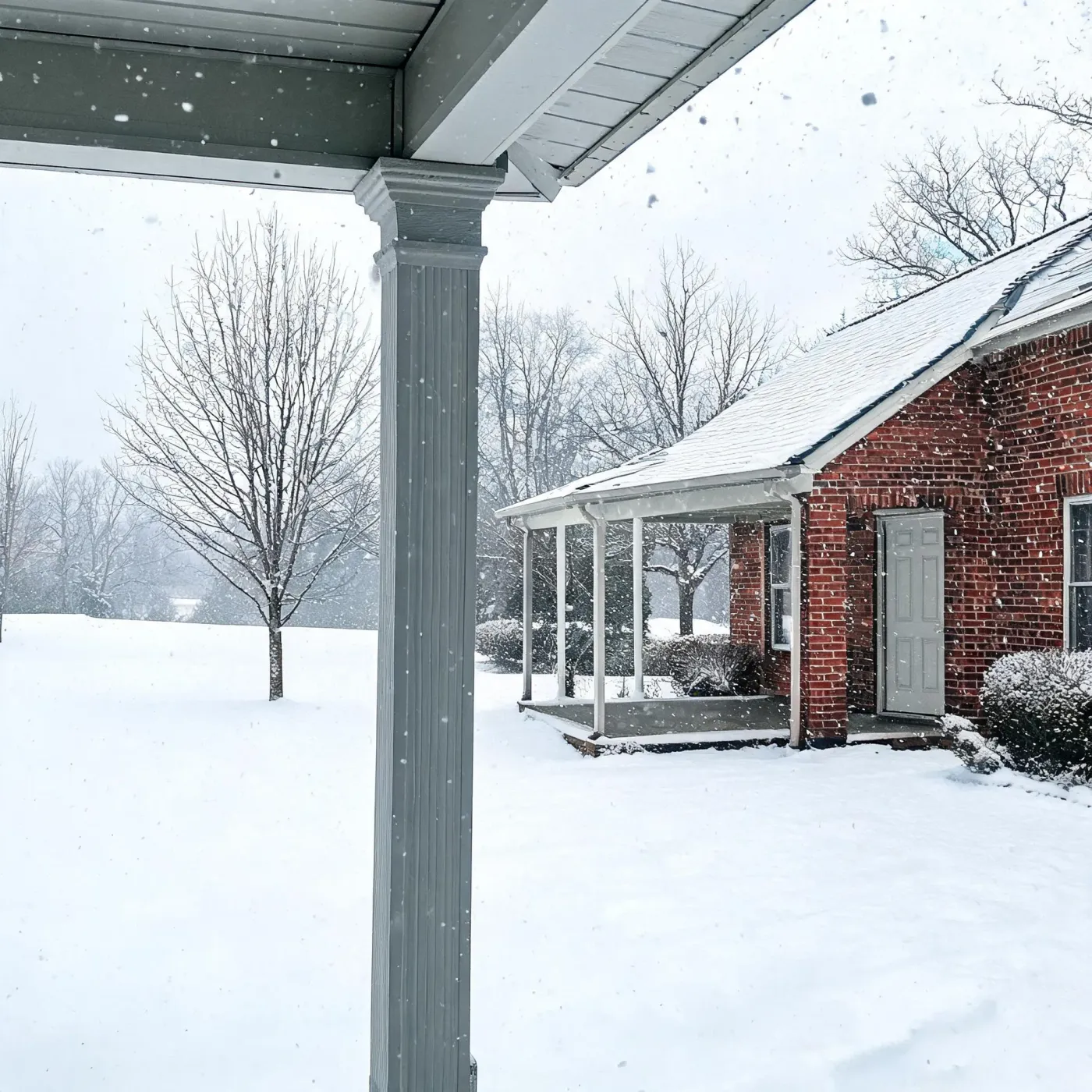
Winter nights here average 21°F across the state, and that's the number that decides how long your furnace runs. At that temperature it doesn't cycle on for a few minutes and shut off. It holds a long run, sometimes most of the night, because the house is losing heat as fast as the furnace can replace it. Every one of those hours is air moving through the return duct and across the filter. A mild winter gives the filter some rest between runs. A winter with nights down near 21°F doesn't give it much. That's why the filter can look fine in November and gray by January. Source: NOAA.

NOAA nClimDiv 1991-2020 county normals weighted by homes

An older man with gray hair and a beard leans back on a beige sofa with his eyes closed, in a sunlit room with potted plants, a wicker chair and large windows behind him.
A woman in a cream knit sweater sits in an armchair with her eyes closed and a slight smile, beside an open window showing orange autumn foliage, with a mug, books and a lit candle on a small side table.

What a filter actually holds

A 1-inch filter has a certain amount of surface area, and that area is fixed. Every pleat can only hold so much before the gaps between fibers start closing in. Once that happens, the blower has to work harder to pull the same air through, even though the filter still looks like it has room left on the frame. That's why a filter can go from fine to overdue in a short stretch once the furnace starts running long hours, rather than wearing down evenly over the whole winter.

Why the return duct matters

Every bit of air the furnace moves gets pulled in through the return duct before it crosses the filter. If that duct runs through a basement, attic, or crawlspace, it's dragging in whatever settles in those spaces along with the regular house dust and lint. A return that's picking up more of that debris loads the filter faster than one pulling from a clean hallway. Where the return sits, and what's around it, has as much to do with a dirty filter as how often the furnace cycles on.

Winter nights average 21°F statewide

At 21°F your furnace isn't cycling, it's holding a long burn to keep up, and that means hours of continuous airflow through the same filter. A filter that might handle short cycles fine gets packed solid faster when the runs stretch out like that.

NOAA nClimDiv 1991-2020 county normals weighted by homes

What this comes down to

  • A dirty filter in Massachusetts comes down to long furnace runs from October through April, not a dirtier house.
  • Checking the filter monthly during those cold stretches tells you more than any calendar schedule could.
  • A furnace that's cycling less and still loading its filter fast is working harder than it should.
  • A local contractor who services furnaces all winter here has seen which models clog filters fastest and why.
  • Sending one request means one licensed local contractor looks at your system, not a handful of companies competing for the job.
  • Once that contractor is matched to you, the rest of the search is off your plate.

The filter isn't failing. It's doing exactly what it's built to do, catching what passes through it, and in Massachusetts that means catching a lot, because the furnace is running long hours for half the year. October through April, those long burns at 21°F push far more air through that same filter than a mild month ever would. That's the whole answer. Not a dirtier house, not a bad filter, just more hours of airflow than most filters are sized for.

Knowing that changes what's worth doing. Checking it monthly from October on tells you something a quarter-of-a-year reminder never will, because it shows you the filter at the point it's actually working hardest. A furnace that seems to be cycling less but still packing its filter fast is pulling harder than it should to move the same air, and that's worth having someone look at.

That's where a contractor who works on furnaces around here all winter is worth more than a stranger would be. Someone local has already seen which furnaces in these houses clog filters fastest, and why, because they've been inside them every cold season. Sending one request puts that contractor on your system, one person, not a line of competing bids. From there, the search part is done. You're not the one tracking down who's available or who knows your furnace. That's handed off.

An empty basement with bare concrete walls and floor, exposed wooden joists and pipes overhead, and a dark furnace with sheet-metal ductwork and vent pipes in the right corner.

Finding a pro stops being your job

Only one pro gets your request, so you hear from one company.

Tune-up, service, or cleaningFurnace or heatingMassachusetts
Step 1 of 2

What ZIP code is the job in?