
Dryer Vent Cleaning in Quincy, MA
Tell us about your home, and a licensed contractor who covers Norfolk County will get in touch.
Tell us about the job
It takes about a minute.
Step 1 of 3: Equipment

Cold vents catch more lint
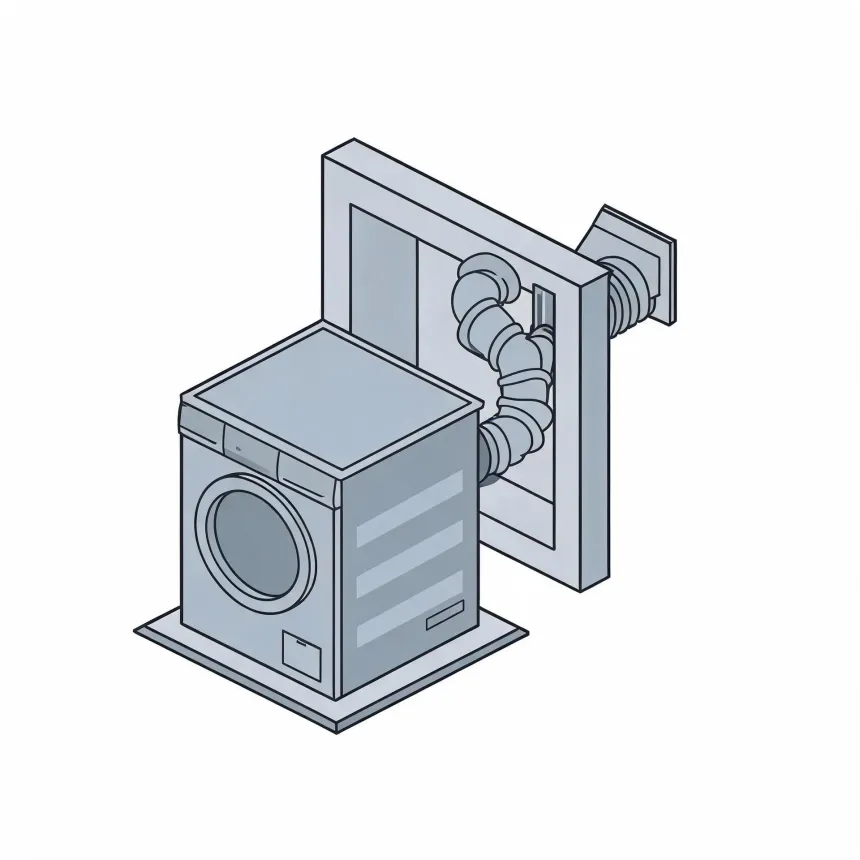
Your dryer pushes out warm, damp air. On a winter night here, the vent running through your wall or attic is cold, down around 21 degrees from December through February. The warm air hits that cold metal and cools fast, and the moisture in it turns to dampness on the vent walls. Lint sticks to a damp surface much easier than a dry one.
That buildup narrows the vent a little at a time. Air moves slower, the dryer takes longer to dry a load, and the motor runs hotter than it should. A vent that stays clear keeps the moist air actually leaving the house instead of settling in the ductwork.
- 21°F
- the average winter night, and cold vents catch damp lint
- 8 months
- October through May, the vent stays cold
Jan
Feb
Mar
Apr
May
Jun
Jul
Aug
Sep
Oct
Nov
Dec
NOAA nClimDiv, 1991–2020 normals
- How often should a dryer vent be cleaned?
- Once a year for most households. If you run large loads often, or you have a long vent run to the outside, check it sooner. A vent that empties out quickly, near the wall it passes through, tells you it's due before the year mark hits.
- Can I clean my dryer vent myself?
- You can clean the lint trap and the first few feet of the vent yourself, but the full run is harder to reach. Most vents bend at least once on the way outside, and lint builds up at those bends where a vacuum hose or a brush from the trap end can't reach. A contractor runs a rod or a brush the whole length, from the dryer to the outside hood, and checks that the hood flap opens freely when the dryer runs.
- What are the signs of a clogged dryer vent?
- Clothes that take longer than one cycle to dry, a dryer that runs hot to the touch, and a burnt smell during the cycle are the main signs. Check the outside vent hood too. If little or no air moves out when the dryer runs, or the flap barely lifts, lint is blocking the path somewhere between the dryer and the wall.