
HVAC Installation in Quincy, MA
A new system here will heat from October through May and cool from July through August every year. Tell us about the house, and a licensed contractor who covers Norfolk County will get in touch.
Tell us about the job
It takes about a minute.
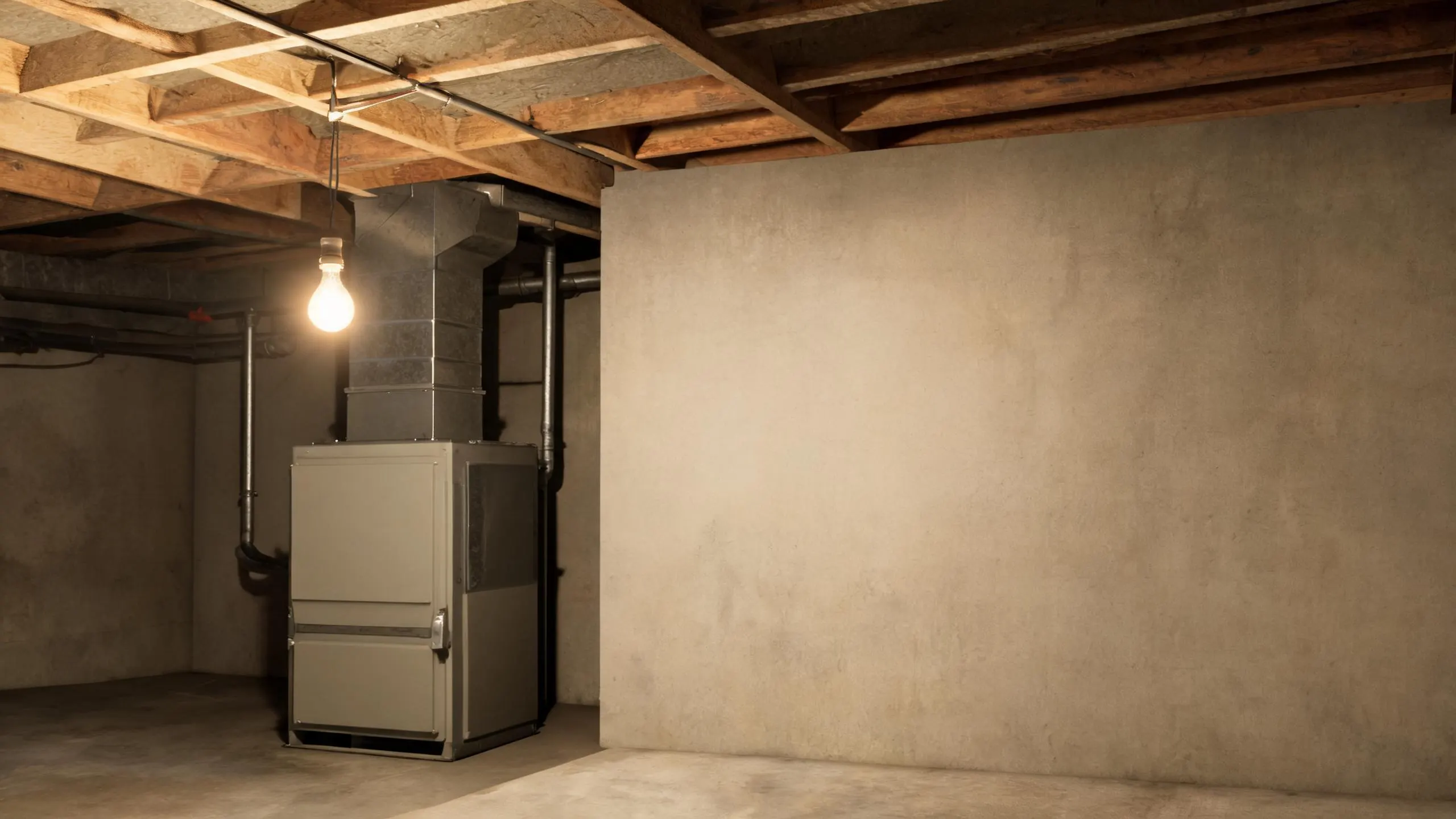
A new system here works eight months of the year
Quincy homes need heat from October through May. That is eight months a year of a furnace or heat pump doing most of the work in your house, with winter nights averaging 21°F from December through February. A new system has to hold up to that stretch, not just handle a cold snap now and then.
Summer is shorter but still real. Afternoons average 81°F in July and August, so the same system needs to cool the house for those two months. All told, ten months a year your heating or cooling is doing something, and whatever you install has to be sized and set up for both jobs, not just the winter one.
- 8 months
- October through May, your system heats
- 2 months
- July through August, it cools
- 21°F
- the average winter night it heats against
- 81°F
- the average summer afternoon it cools against
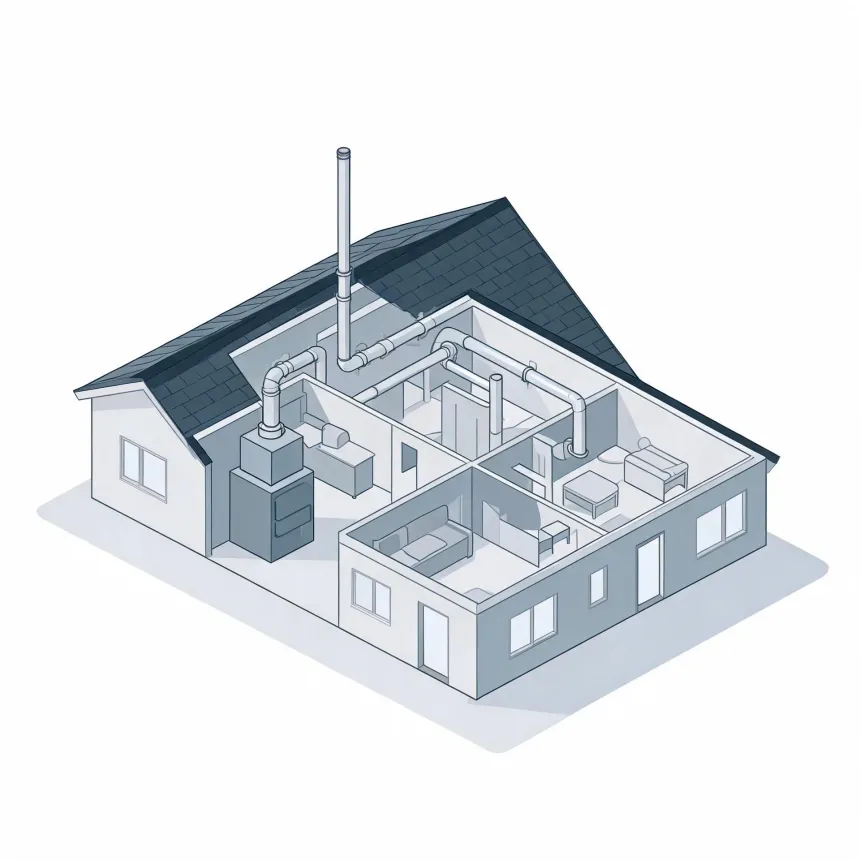
NOAA nClimDiv, 1991–2020 normals
- When should I replace my HVAC system?
- Replace it when repairs keep coming or the system can no longer keep up on the coldest or hottest days. An older furnace or air conditioner is more likely to fail at the worst time, and here that means a night near 21°F with no heat. If a technician tells you the same part has failed twice, or the repair costs are climbing each time, that's the point to stop repairing and start planning a replacement.
- Should I replace my furnace and air conditioner at the same time?
- If both are old, yes, it usually makes sense to replace them together. A furnace and AC installed at the same time are matched to work with each other, and pairing an old unit with a new one can mean the new one never runs at its rated efficiency. Homes here need heat from October through May and cooling only in July and August, so the furnace does most of the work and its condition should carry more weight in the decision. A contractor can look at the age and condition of both and tell you whether replacing one now and the other later makes sense for your house.
- What happens during an HVAC installation?
- A contractor removes the old equipment, sets the new furnace, air conditioner, or both, and connects them to your ducts, gas line or electrical circuit, and condensate drain. They check the ductwork for leaks or sizing problems before closing everything up, since even a new system pushed through bad ducts won't heat or cool the way it should. Once it's running, they test it, check refrigerant levels and airflow, and walk you through the thermostat and any settings specific to your system. The exact steps depend on what you're replacing and how your house is set up, so the contractor doing the work can walk you through what applies to yours.