
HVAC Installation in Worcester, MA
A new system here will heat from October through May and cool from July through August every year. Tell us about the house, and a licensed contractor who covers Worcester County will get in touch.
Tell us about the job
It takes about a minute.
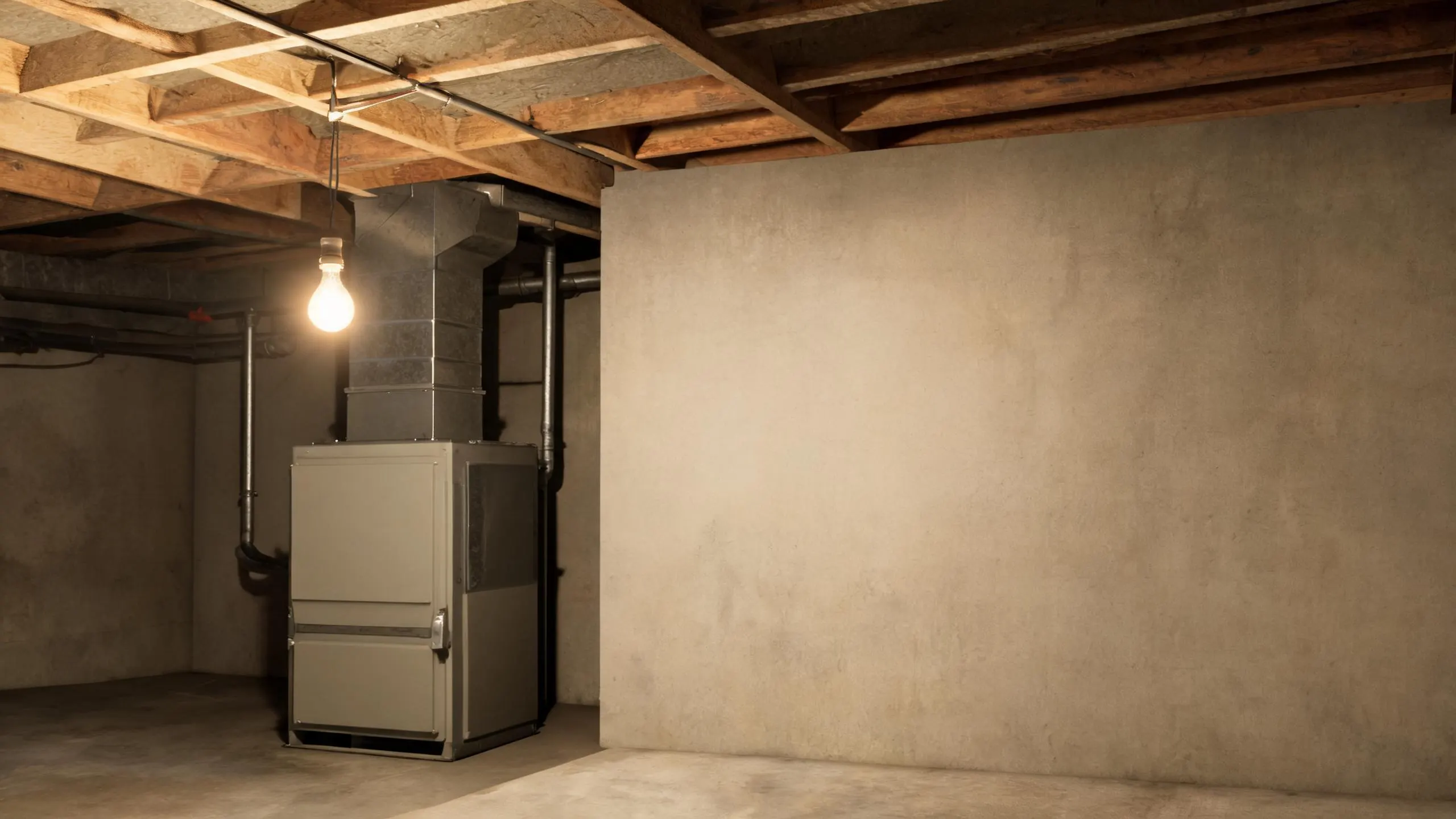
Ten months of work for whatever you install
Your new system will run most of the year here. Heat from October through May, on nights that average 18°F through the coldest stretch of winter. Cooling for July and August, when afternoons average 79°F. Only two months a year ask nothing of it.
That long heating season is why 37.9% of homes here still run on fuel oil, and whatever you install next has to carry the same load. The area has also logged 71 winter storms and 427 damaging wind events over the past ten years, and statewide, about 1 in 10 households went at least 24 hours without power in 2024. Worth asking a contractor how the system you choose handles an outage, and what that means for the furnace or heat pump you end up with.
- 8 months
- October through May, your system heats
- 2 months
- July through August, it cools
- 18°F
- the average winter night it heats against
- 79°F
- the average summer afternoon it cools against
NOAA nClimDiv, 1991–2020 normals
- When should I replace my HVAC system?
- Replace it when repairs start happening every year, or when the system is old enough that the next breakdown could leave you without heat or cooling. Here, homes need heat October through May, so a furnace that fails is a real problem, not an inconvenience. If a contractor tells you the heat exchanger or the compressor is failing, that's usually the point where replacing costs less over time than keeping up with repairs.
- Should I replace my furnace and air conditioner at the same time?
- If both are old, yes. A furnace and air conditioner installed together are matched to work with each other, and pairing new equipment with an old unit can mean the new one never runs the way it's supposed to. It also means one visit instead of two separate installations down the road. If only one has actually failed, a contractor can tell you whether the other is worth replacing now or waiting on.
- What happens during an HVAC installation?
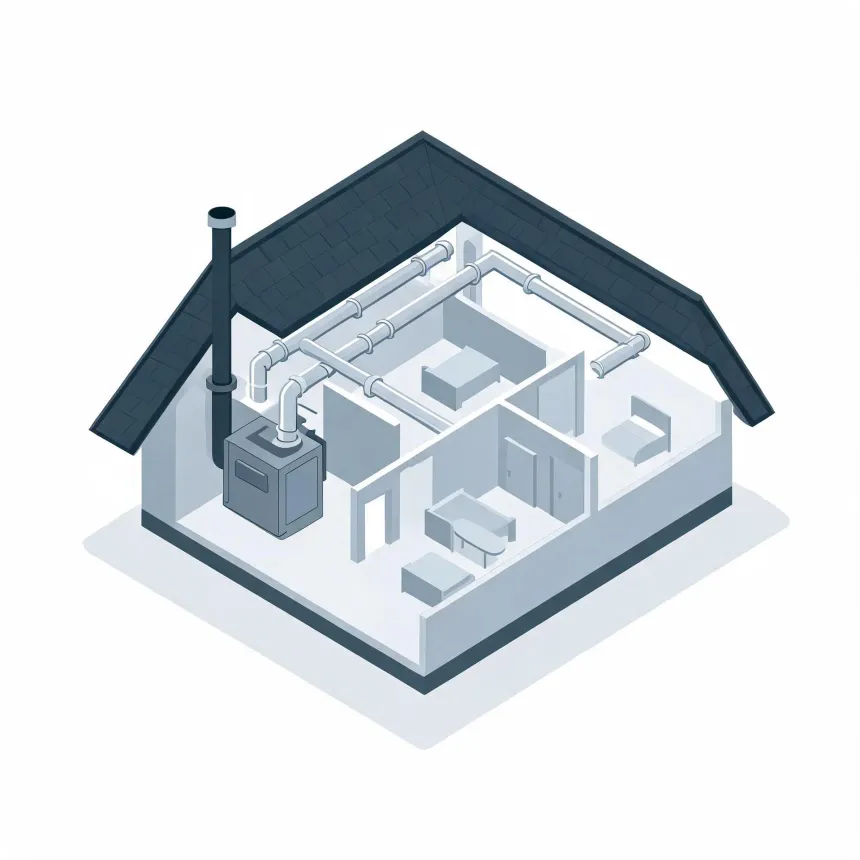
- A contractor removes the old furnace, air conditioner, or both, and sets the new equipment in place, connecting it to the ductwork, the gas or electric line, and the condensate drain. For a furnace, that includes venting for the exhaust. For an air conditioner, it includes running refrigerant line to the outdoor unit. Once everything is connected, the contractor tests the system, checks airflow and refrigerant charge, and sets the thermostat before walking you through it. What your job needs depends on the equipment and the house, so a contractor will go over the specifics with you.