
HVAC Installation in Amherst Town, MA
A new system here will heat from October through May and cool from July through August every year. Tell us about the house, and a licensed contractor who covers Hampshire County will get in touch.
Tell us about the job
It takes about a minute.
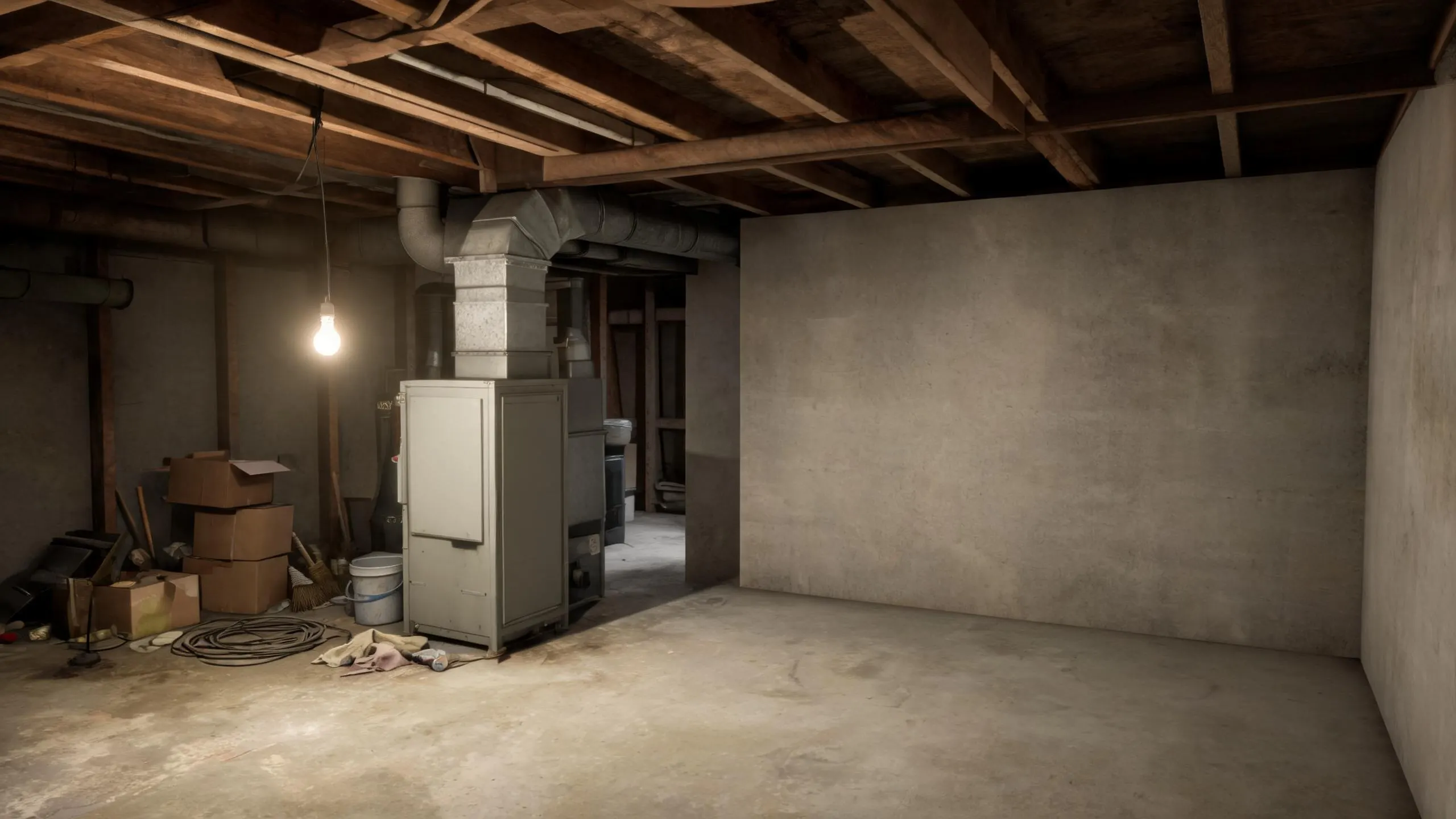
A new system here needs to handle eight months of heat and real winter cold
Winter nights in Amherst Town average 18°F from December through February, and homes need heat from October through May, eight months of the year. Whatever you install has to hold up through that stretch, not just get through a cold snap. Summer is shorter here. Afternoons average 80°F in July and August, so cooling only has to carry two months. Ten months out of the year, a heating or cooling system here is doing something.
The area also sees real storms. Hampshire County recorded 53 winter storms and 218 damaging wind events over the past ten years, and statewide, one in ten households lost power for at least 24 hours in 2024. A furnace or heat pump that shuts down when the power drops leaves a house cold on the same nights it needs heat most.
- 8 months
- October through May, your system heats
- 2 months
- July through August, it cools
- 18°F
- the average winter night it heats against
- 80°F
- the average summer afternoon it cools against
NOAA nClimDiv, 1991–2020 normals
- When should I replace my HVAC system?
- Replace it when repairs start happening every year, when the unit is old, or when it can't keep the house comfortable anymore. Winters here run cold, down to 18°F on average from December through February, and a furnace that's already struggling tends to fail on the coldest nights because that's when it works hardest. If a contractor has already been out more than once this year, replacing it before the next cold stretch is worth thinking about.
- Should I replace my furnace and air conditioner at the same time?
- If both are old, yes, it usually makes sense. A furnace and air conditioner installed years apart still have to work off the same ductwork and often share a blower, so matching them up avoids pairing new equipment with a system that wasn't sized for it. Homes here need heat for 8 months and cooling for 2, so the furnace does most of the work and may wear out first. A contractor can look at the age and condition of each unit and tell you whether replacing one now and planning for the other later makes sense, or whether doing both together is the better move.
- What happens during an HVAC installation?
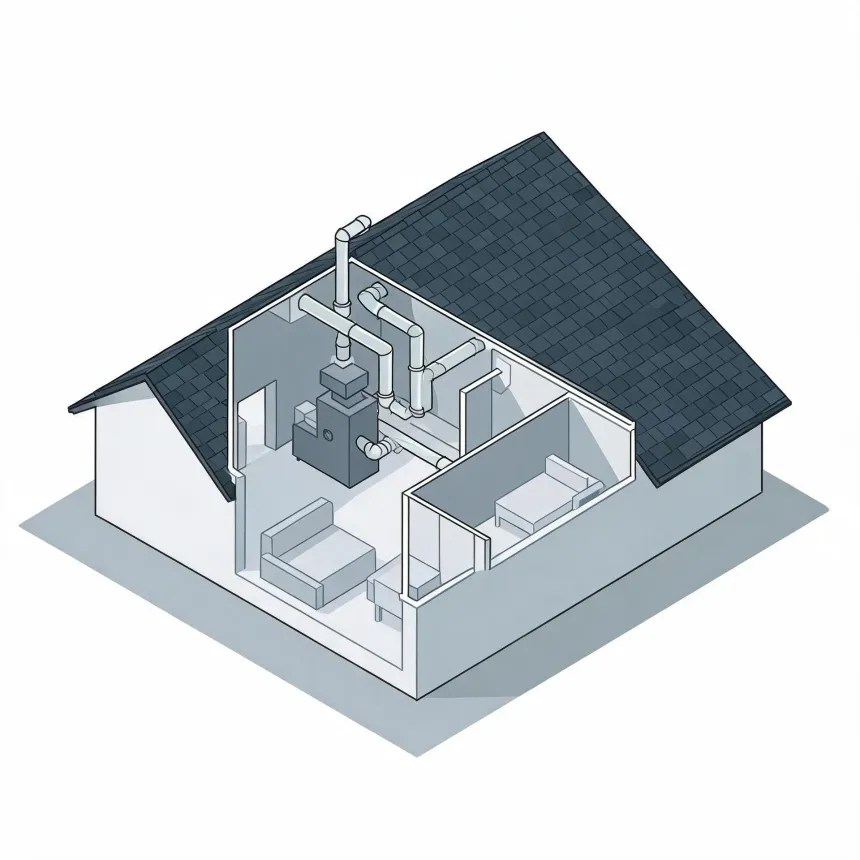
- A contractor removes the old equipment, sets the new furnace, air conditioner, or both in place, and connects them to the existing ductwork, gas line, electrical, and condensate drain. They check that the ducts are sized right for the new equipment, since a furnace or AC that's too big or too small for the ductwork won't heat or cool evenly. Once it's connected, they test it, check the airflow and temperature, and walk through anything you need to know about running it. The exact steps depend on whether it's a straight swap or a system that needs new ductwork or electrical work, so a contractor will walk you through what your house needs before the work starts.