
HVAC Installation in Cambridge, MA
A new system here will heat from October through May and cool from July through August every year. Tell us about the house, and a licensed contractor who covers Middlesex County will get in touch.
Tell us about the job
It takes about a minute.
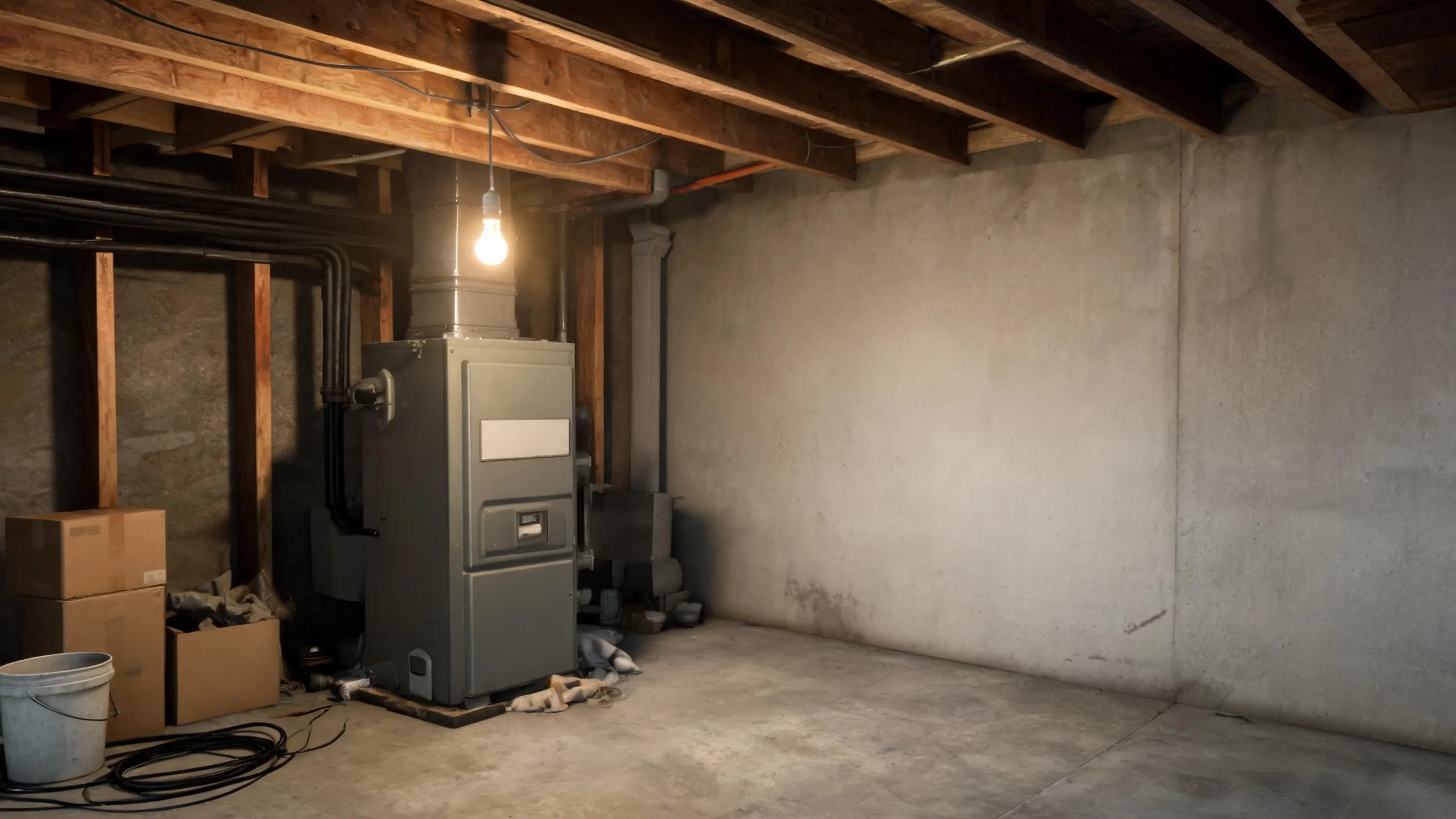
A new system here needs to handle eight months of heat and real winter cold
Cambridge asks a lot of a heating and cooling system. Winter nights average 19°F from December through February, and homes here need heat from October through May, eight months of the year. That is most of the year spent leaning on the furnace or heat pump, so it has to be sized right and running well before the cold sets in.
Summer is shorter but still real, with afternoons averaging 81°F in July and August. Whatever you install has to switch between both jobs, heating most of the year and cooling for a couple of months, without either one wearing it down early. Middlesex County also sees its share of winter storms and wind events strong enough to knock out power, so a new install is worth planning around that too.
- 8 months
- October through May, your system heats
- 2 months
- July through August, it cools
- 19°F
- the average winter night it heats against
- 81°F
- the average summer afternoon it cools against
NOAA nClimDiv, 1991–2020 normals
- When should I replace my HVAC system?
- Replace it when repairs start becoming frequent, when the equipment is old, or when it can no longer keep the house comfortable. A furnace or air conditioner nearing the end of its life tends to break down more often, and the repairs start costing more each time. Homes here need heat from October through May, so a furnace that struggles in that stretch is worth replacing before the next cold snap rather than after it fails on a 19°F night. If your system is still working fine and repairs are minor, there is no reason to replace it early.
- Should I replace my furnace and air conditioner at the same time?
- If both are old or original to the house, replacing them together often makes sense, but it depends on the condition of each one. A furnace and air conditioner installed at the same time are matched to work together, which can help with efficiency and airflow. If one is much newer than the other, a contractor can tell you whether it is worth keeping or whether the mismatch will cause problems. Either way, a contractor should look at both systems before deciding.
- What happens during an HVAC installation?
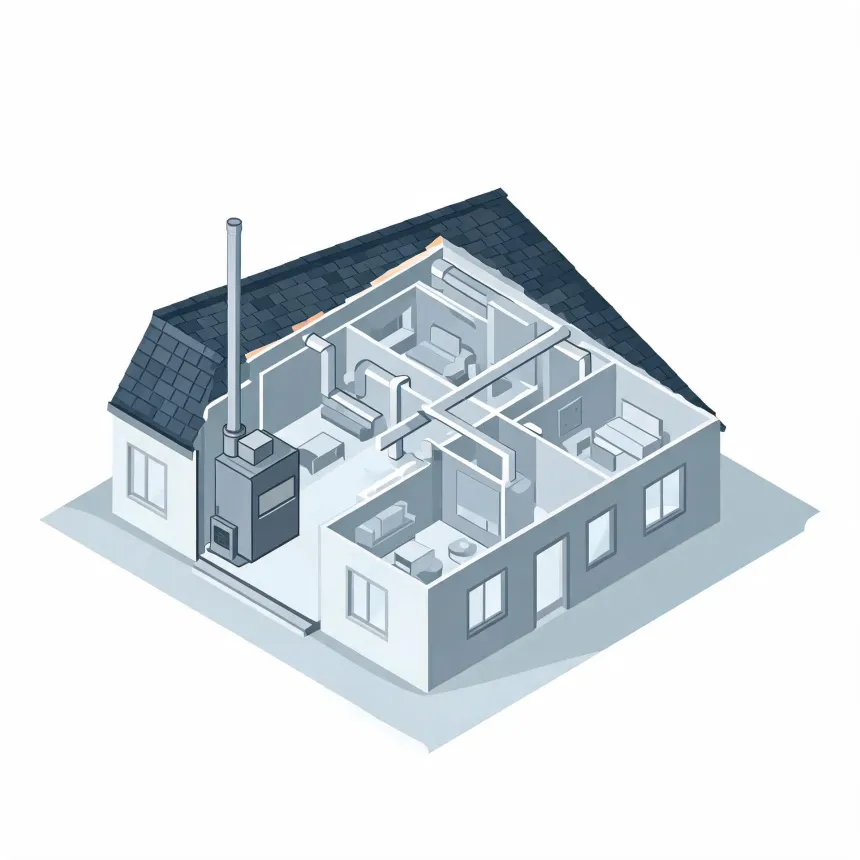
- A contractor removes the old equipment, sets the new furnace, air conditioner, or both in place, and connects them to the existing ductwork, gas line or electrical circuits, and the vent or flue. They check the ductwork for leaks or sizing issues that would keep the new system from performing the way it should. Once everything is connected, they test the system, check refrigerant charge if it is an air conditioner, and confirm it cycles on and off properly. A contractor will walk through the specifics for your house before starting the work.