

Caught in fall
A technician checks the flame color and flue connection before winter starts. Small cracks or loose joints get found and fixed while the furnace is barely running.
Tell a local repair pro what your furnace is doing.
Get a local proA cracked heat exchanger or a blocked flue is usually behind carbon monoxide trouble in a gas furnace, and both let exhaust mix with the air your furnace is supposed to be warming. Watch for soot near the furnace, a yellow flame instead of blue, a vent hood that feels warm to the touch, or window condensation that is heavier than usual. Headaches or feeling drowsy only when you're home, especially near the furnace, are worth paying attention to as well. Since most Massachusetts homes run on gas heat through the winter, the furnace is running for months at a stretch, and any of these signs matter more the longer that runs unchecked. A carbon monoxide detector will catch what your senses might miss, but it should never be the only thing you rely on. If something seems off, it is worth having a furnace looked at before the next cold stretch rather than after.
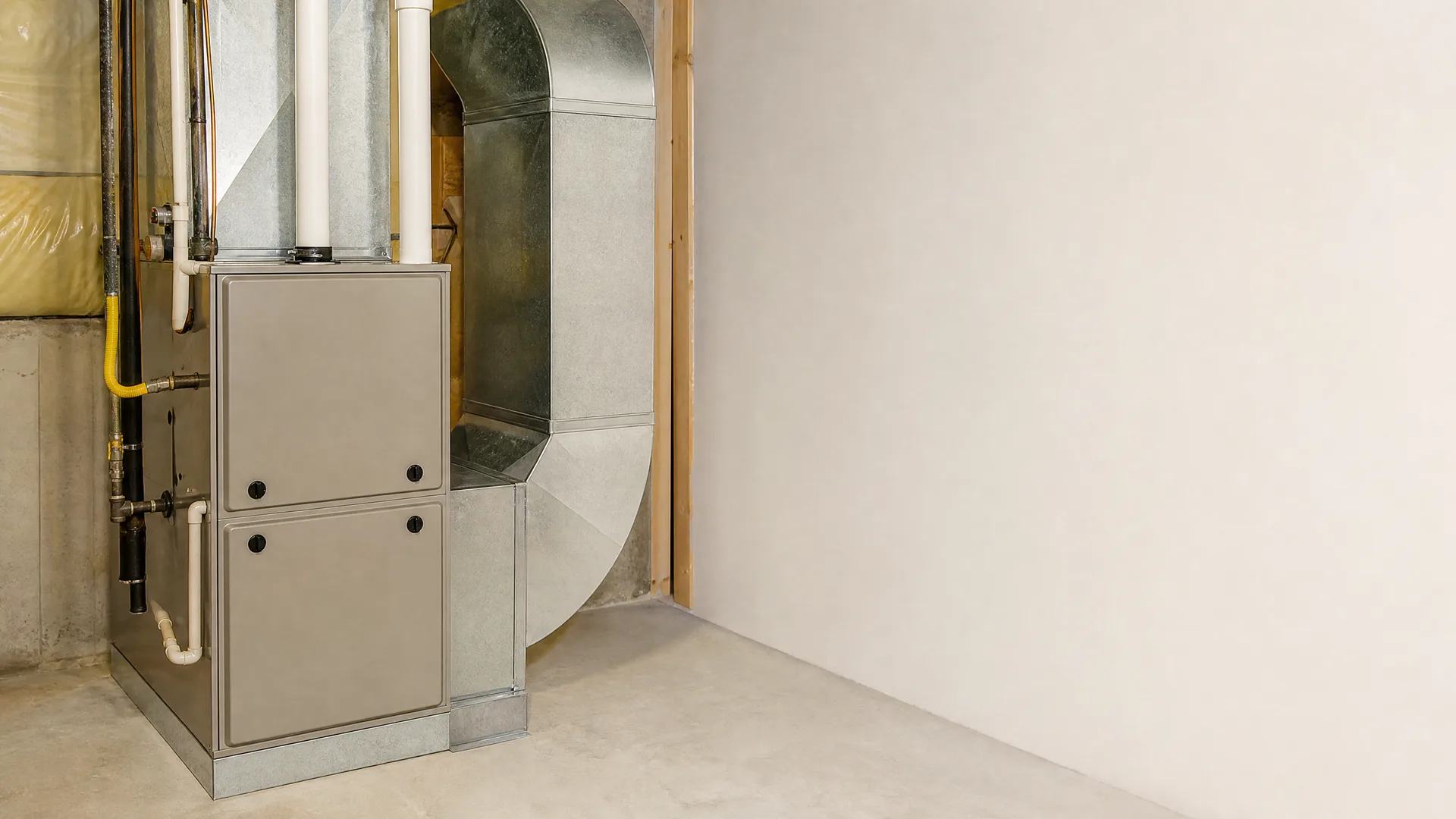
A furnace's flue carries exhaust out of the house. When it's blocked by a bird nest, a dent, or just rust falling in on itself, that exhaust has nowhere to go but back into your home. You won't see it happening. A carbon monoxide detector near the furnace and on each floor is the only reliable way to catch what the flue can't vent out on its own.
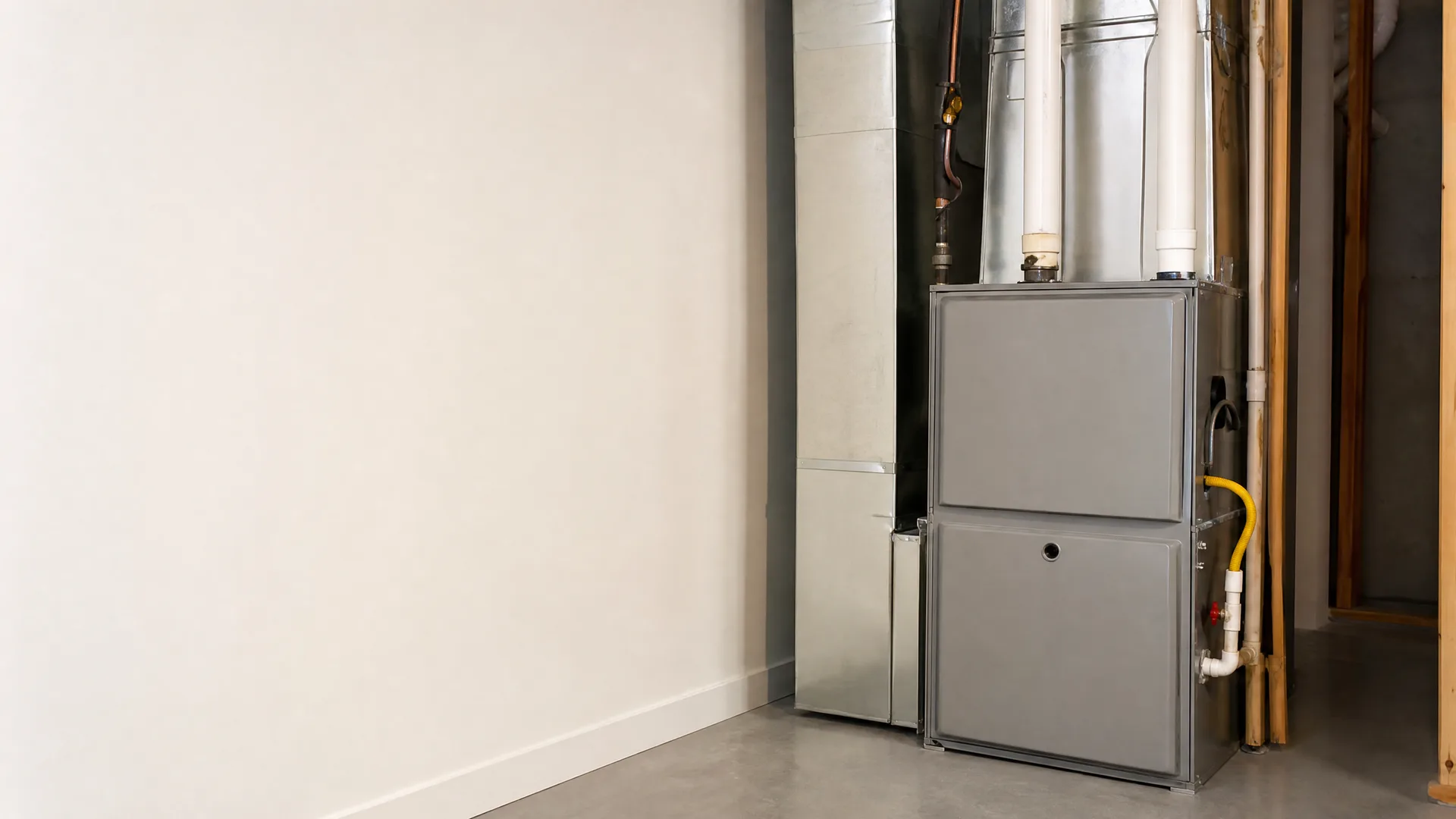
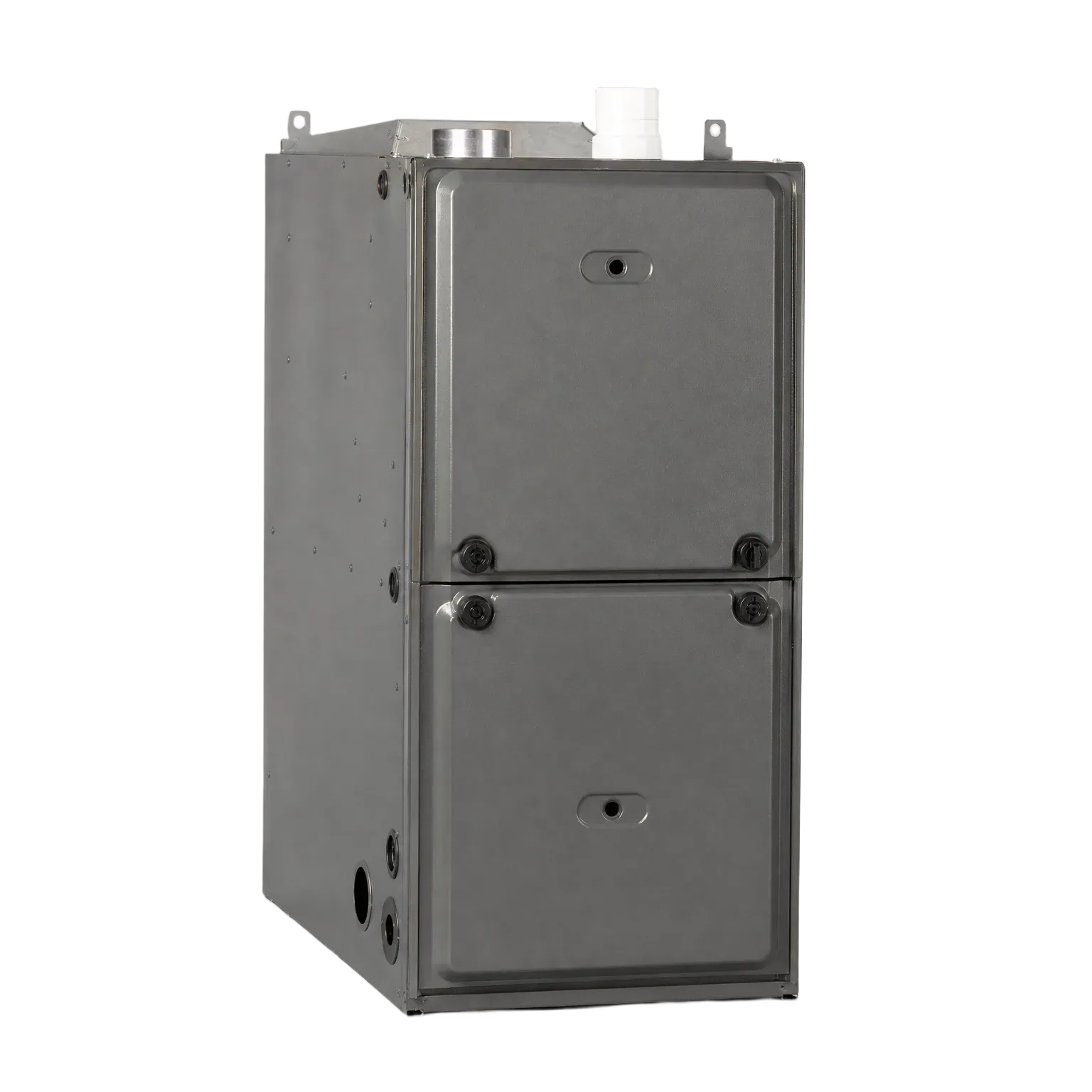
The heat exchanger is the metal chamber that separates the flame from the air blowing through your ducts. A crack lets combustion gases cross into that airstream instead of going up the flue. It doesn't have to be a big crack. Even a hairline split, opening and closing as the metal heats and cools each cycle, is enough to put carbon monoxide into the air moving through your house.
You've had the carbon monoxide alarm go off near the furnace once or twice, but not every cycle, and not every day. That inconsistency is what's confusing. If the furnace were fine, it would never trip. If it were badly broken, you'd expect it every time it ran. Instead it seems to depend on something, and you want to know what.
A furnace with a small crack in the heat exchanger or a partly blocked flue doesn't leak carbon monoxide at a steady rate. Wind direction can push exhaust back down the flue instead of letting it draft out. A longer heating cycle gives more time for a crack to leak before the burner shuts off. Even the furnace cabinet settling slightly as it heats up can open or close a gap that wasn't there on the last cycle. None of that makes the alarm wrong when it's quiet. A furnace that's fine never trips the alarm, not even once, so an intermittent trip still means something is letting exhaust into the air rather than out the flue.
Gas burns and should turn the flame tip blue, not yellow.
Exhaust carrying carbon monoxide rises into the heat exchanger.
The heat exchanger should carry that exhaust straight to the flue.
A crack in the exchanger lets exhaust leak into your air supply.
You might catch a headache that only shows up when you're home and clears when you leave. Condensation fogging the inside of windows near the furnace room. A faint sting in the eyes, or a smell more like exhaust than gas, since carbon monoxide itself has no smell. Soot streaks on the wall behind the furnace, or around the burner itself. Pilot or burner flames that look yellow or flicker instead of holding steady and blue. Pets sleeping more than usual or acting sick for no clear reason, since they feel it at lower levels than people do. None of this is dramatic on its own, which is why it gets explained away as a cold or a stuffy house. Left alone, a furnace leaking exhaust into your air keeps doing it every time it runs, all winter.






Send the request and finding a pro stops being your problem.
Asking costs nothing, and the choice to hire stays yours.
A furnace that gets checked every fall rarely leaves you guessing. A quick look at the flame color and the flue connection catches a crack or a blockage before a Massachusetts winter puts the furnace through months of hard running.
A furnace nobody's looked at in years is the one that surprises you in January, right when you need it most and a repair takes longest to schedule around a cold snap.
Winter nights here average 21°F, and that's the stretch when your furnace runs longest without a break. More hours running means more chances for a small crack or a loose flue joint to leak exhaust into the house instead of outside. A furnace left unchecked going into that cold is the one most likely to cause trouble.
NOAA nClimDiv 1991-2020 county normals weighted by homes


A technician checks the flame color and flue connection before winter starts. Small cracks or loose joints get found and fixed while the furnace is barely running.
The same crack has had weeks of hard running to widen. You're troubleshooting a carbon monoxide alarm while temperatures outside sit near 21°F.

A cracked heat exchanger or a blocked flue is the reason almost every time. Check the flame, check the vent hood outside, watch for soot, and you know where you stand. None of that takes a technician, and none of it takes long.
If something looked off, the next step isn't figuring out who to call around Massachusetts or waiting on hold. Send the form and a contractor who handles this gets back to you directly, already knowing what you found and what your furnace is doing. You don't have to sort through who's available or who's qualified. That part is off your plate the moment you send it.


A local pro for your furnace repair



