


How to restart a furnace after a Massachusetts power outage

RepairFurnace or heatingMassachusetts
Step 1 of 2

What ZIP code is the job in?

Why won't my furnace turn back on after the power went out?

A power outage trips something in a lot of Massachusetts homes this time of year, and when the lights come back the furnace doesn't follow on its own. You're standing at the thermostat wondering if you have to call someone right away or if there's a switch to flip first. Most people just want heat back before the house gets cold, and want to know what's normal and what's not.

Usually a reset switch or a tripped breaker, not a broken furnace

Most furnaces need a nudge after power drops out, even for a second. The control board can lock up mid-cycle, and the furnace sits there waiting to be told to start over. Check the breaker for the furnace first, since a surge when power comes back can trip it on its own. If the breaker's fine, look for a reset button on the furnace itself, often red, near the blower compartment. One press is normal. If it trips again, or nothing happens at all, something inside didn't come back the way it should, and that's worth having someone look at before you're without heat on a cold night.

A gray high-efficiency furnace with two access panels stands in a bare basement corner, connected to sheet-metal ductwork, white PVC vent pipes, and flexible gas and electrical lines.

Check the switch that looks like a light switch

Most gas furnaces have a service switch mounted on or near the unit. It looks like an ordinary light switch and it's easy to mistake for one. A power outage can leave it flipped off, or someone bumps it without noticing. Flip it on, then listen for the furnace to start its cycle. If nothing happens within a minute or two, that switch isn't the problem and something else needs a look.

A gas furnace with metal ductwork, copper and yellow gas piping stands against a wall in an empty room with a bare concrete floor.

The igniter won't always relight itself

Older gas furnaces use a standing pilot that stays lit through an outage, since it doesn't run on electricity. Newer ones use an electronic igniter that has to fire again once power returns, and that process can fail partway through. If the furnace clicks a few times and then goes quiet, the igniter attempted a start and stopped. That's a sign for a licensed technician, not something to keep resetting on your own.

Is the furnace actually off, or just quiet?

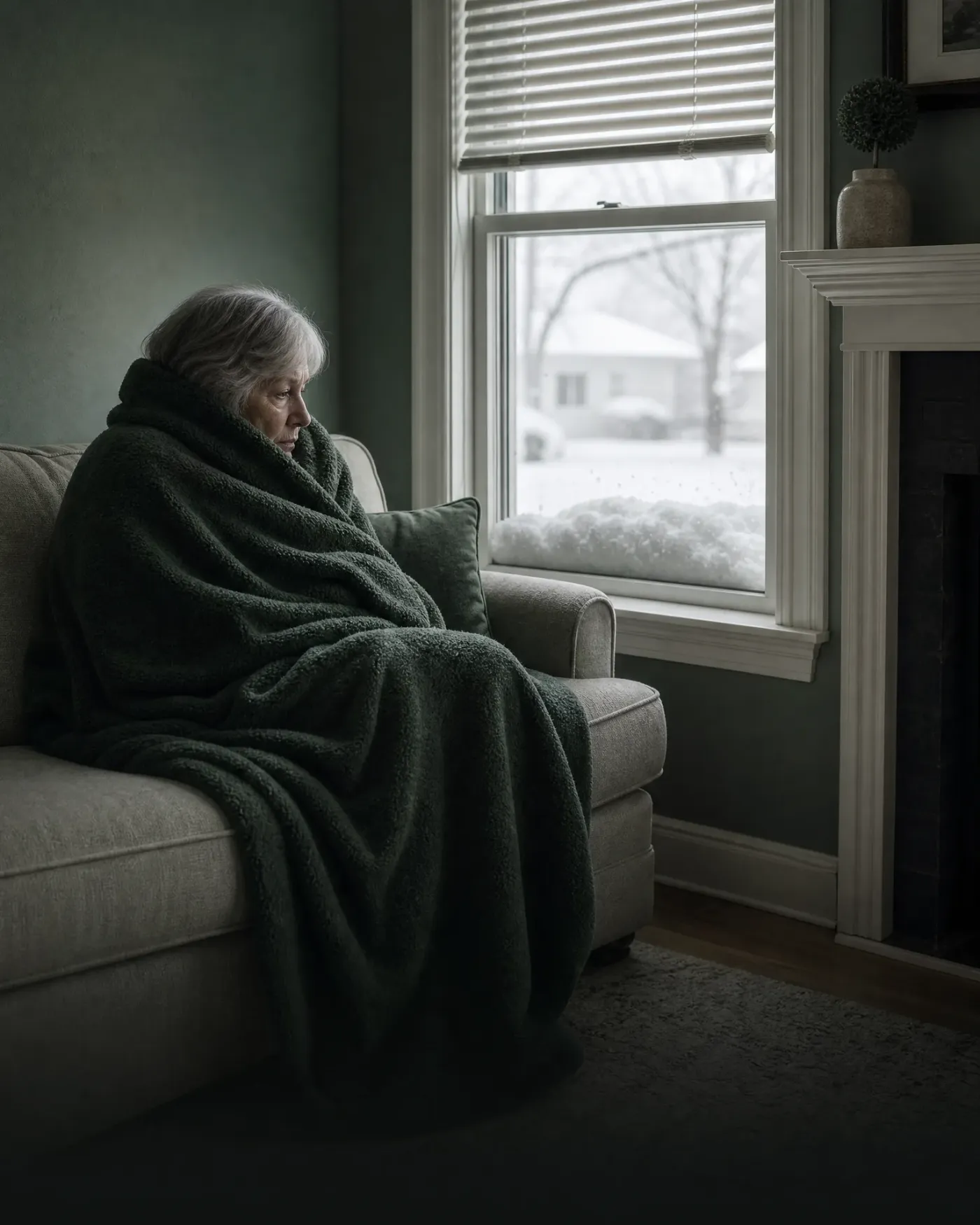
Put your hand near a vent. No air moving, no sound from the basement or the closet where the unit sits, and the thermostat screen might be blank too if it runs on furnace power rather than a battery. Some furnaces click and try to start, then go quiet again after a few seconds, which is different from never trying at all. If the house is getting cold enough that you can feel it in the rooms farthest from the thermostat, that's worth paying attention to, especially with anyone elderly or very young at home, or pipes running along an outside wall.

A dim unfinished basement with concrete walls, exposed floor joists, a small window, and a furnace connected to metal ductwork and PVC venting.

The outage took the whole street out around six. By the time the lights came back, it was dark outside and the basement had gone cold enough that you noticed it on the stairs. The furnace sits there quiet, no hum from the blower, no glow from the igniter window. A little dust hangs in the air where the cabinet door got bumped shut. You've flipped the switch, checked the thermostat, and it still won't catch. Someone who works on furnaces around Massachusetts all winter would know in a minute whether this is a reset the panel needs or something that failed the moment power dropped. One call gets you to that person instead of a guess in the dark.

A pro who works on furnaces

If you've gone through the switch, the thermostat, and the breaker and the furnace still won't fire, something tripped or failed inside that the reset won't fix. Outages are hard on ignition systems. A flame sensor or igniter that was already marginal can go out during the surge when power comes back, and no amount of flipping switches brings it back. That's a repair, not a restart. Massachusetts winters don't leave much room to wait on a cold furnace, and with what power costs here, you don't want to be running space heaters while you figure it out on your own. A local contractor who works on furnaces all winter has seen this exact outage problem before and knows what usually failed when a reset doesn't work. Put in a request and one contractor who covers your area follows up, not a handful of companies competing for your number.

The furnace catches on its own

Power comes back, the thermostat screen lights up, and within a minute or two you hear the blower start. The igniter glows, the burners catch, and warm air follows in the usual order. This is what happens most of the time after a short outage, especially if nothing was marginal before the power dropped. You flip the switch back if it was off, set the thermostat where you want it, and the furnace does the rest. No reset, no panel, nothing else to check.


It stays quiet and won't start

You've checked the switch, the thermostat, and the breaker, and the furnace still sits there cold. No hum, no click, no glow from the igniter. This is more common after a longer outage, or in a furnace that already had a weak part before the power went out. The outage didn't cause the failure so much as expose it. At this point the furnace needs someone who works on this equipment to look at what tripped or burned out inside, because nothing left to flip will bring it back.

A gray-haired man in a dark sweater sits on a light gray sofa in a living room, looking toward a sunlit window with trees outside.
A gray-haired man in a dark blue sweater sits on a light gray sofa in a sunlit living room, looking off to the side, with a potted plant, shelving unit, and large glass doors behind him.
A bearded man with graying hair in a dark green sweater sits on a sofa in a living room, looking off to the side, with a sliding glass door and a dim kitchen doorway behind him.
A gray-haired man in a dark knit sweater sits on a light gray sofa in a living room, looking toward a sunlit window, with houseplants, a lamp, and framed art in the background.

It restarts but shuts off again

The furnace fires, runs for a minute or two, then cuts out on its own. That's usually a safety switch or sensor reacting to something, not a fluke worth waiting out.

Get one local pro

It never catches at all

No hum, no click, no igniter glow after you've checked the switch, thermostat and breaker. Something inside failed to reset on its own and needs a look before you try again.

Get one local pro
A beige metal furnace with a louvered front panel stands on a concrete floor against a concrete wall, connected to galvanized sheet-metal ductwork and a metal pipe.
Before you get your furnace repair
A gray high-efficiency furnace stands on a concrete basement floor beside sheet-metal ductwork, with white PVC vent pipes and a black flexible line running up to exposed wood floor joists, next to a wood-framed post against a concrete wall.
After you get your furnace repair
A gray high-efficiency furnace in a basement with PVC vent pipes, sheet-metal ductwork, copper and insulated pipes, a water heater at left, and an unfinished wood-stud wall at right.

Running clean after a restart

This is what you want to see: a modern furnace tied into PVC flue pipe, firing up and settling into a steady run. If yours looks like this and caught on its own after the outage, it's doing what it's supposed to do. No burning smell, no short cycling, just heat coming through the ducts again.

An older beige furnace with louvered front panels stands on a concrete basement floor beside galvanized ductwork, metal and plastic pipes, exposed wood framing, and a cylindrical water heater at right.

Old furnace, outage, no restart

An older unit like this one, tied into galvanized ductwork and a metal flue, is the kind that struggles most after a power outage. The parts inside wear differently over the years, and a sensor or igniter that was already weak can go out for good. If a furnace like this won't catch, that's likely what happened.

Winter nights average 21°F statewide

Winter nights in Massachusetts average 21°F, so your furnace is firing most of the night, every night, all winter. After an outage, even a short one, the house has usually dropped enough that you'll feel the difference fast if it doesn't come back on.

NOAA nClimDiv 1991-2020 county normals weighted by homes

A gray high-efficiency furnace with white PVC venting pipes stands on blocks in a basement next to sheet-metal ductwork, with exposed wood framing on the left and a concrete wall and floor.
A furnace like this restarts on its own because the ignition parts are new enough to recover cleanly from a power cut.
An older gas furnace with two white PVC vent pipes stands on a concrete basement floor beside galvanized sheet-metal ductwork, flexible conduit, and piping along a wall.
An older furnace like this is more likely to need a hand after an outage, especially if the igniter or sensor was already wearing out.
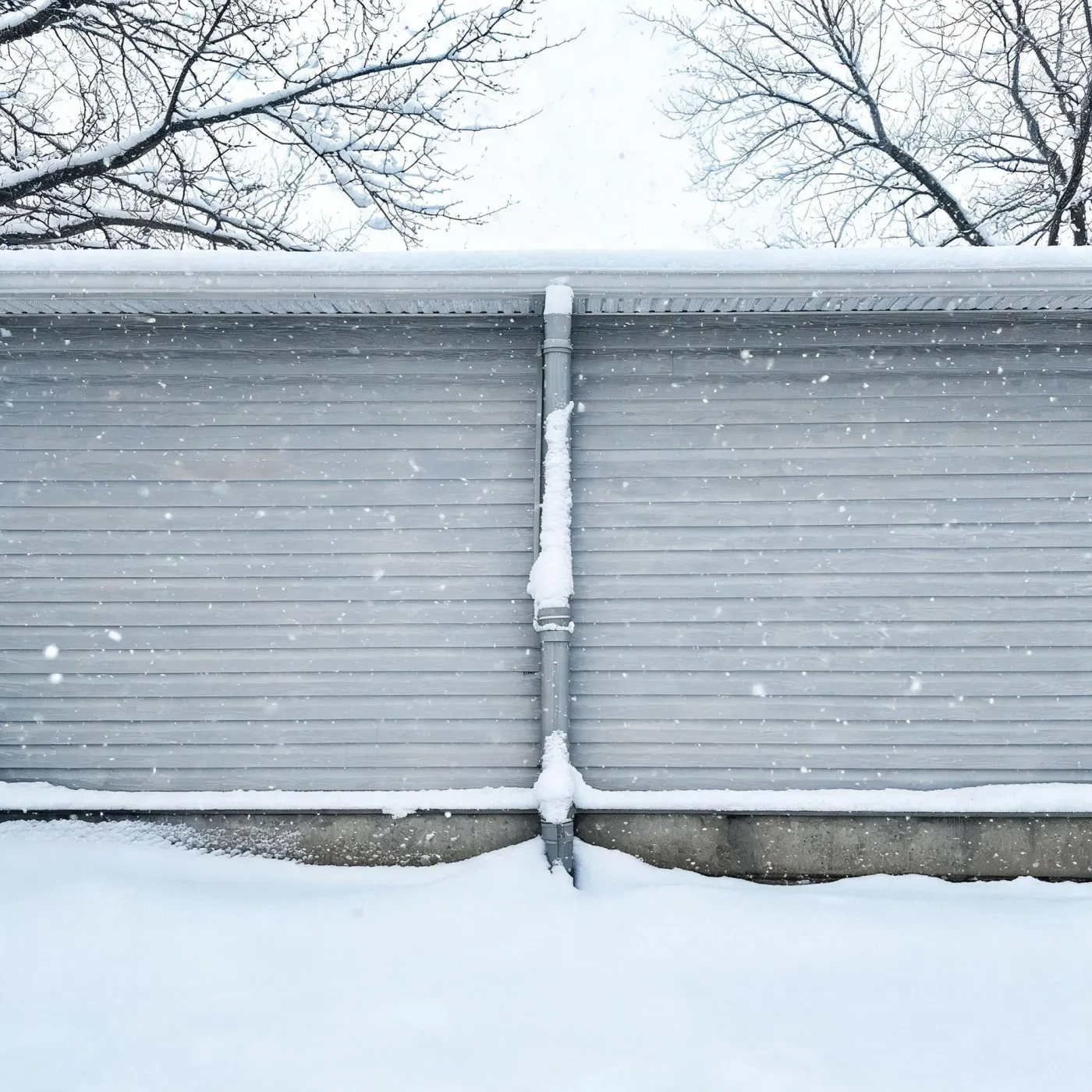
Exterior of a gray horizontal-lap-sided building with a snow-covered roof edge and a central downspout, seen during falling snow with deep snow on the ground and bare tree branches above.

Winter nights in Massachusetts average 21°F, cold enough that a furnace sitting dark for even an hour starts to show in the house. Source: NOAA. At that temperature a home loses heat fast once the burners stop, so after an outage you're not just waiting on a restart, you're racing a house that's already cooling. Check on a sleeping baby's room or a finished basement first. Those spaces drop quicker than the rest of the house and warm up last once the furnace is running again. If the power was out overnight, don't be surprised if the whole house feels colder than you expected by morning, even after the lights are back on.

NOAA nClimDiv 1991-2020 county normals weighted by homes

Most of the time, a furnace that won't restart after a Massachusetts outage comes down to the service switch, the thermostat, or the breaker. Check those three first. If none of them bring it back, something inside failed, likely in the ignition system, and that's a repair, not a reset. At 21°F outside, you don't have a lot of nights to spare on guesswork. A technician who works on furnaces all winter in your area has seen this exact outage problem before and knows which part tends to go first on a unit like yours. You'll be matched with one licensed contractor local to you, not a handful of companies competing for the callback, so you're dealing with one person who can actually look at your system and tell you what's wrong. Where you stand now is simple: you've ruled out what you can rule out yourself, and what's left needs someone who does this for a living.

Elevated view over a dark standing-seam metal roof with a stone chimney and wood-sided gable, surrounded by conifers and autumn-colored trees with forested hills under an overcast sky.

The right pro for this job

Find a furnace pro

You only hire the pro if you want to.

A furnace that won't restart after an outage isn't something to keep testing on your own all evening. A local contractor who works on these systems all winter can usually tell what failed just by hearing how it behaved when the power came back.