
A local pro for your furnace installation
What size generator runs a furnace in Massachusetts
A gas furnace doesn't need much power to run. It's the igniter, the control board and the blower motor drawing current, not the heat itself. So the right generator size comes down to your blower's startup draw plus whatever else you want running during a Massachusetts winter outage. This page gets into how to figure that number, and matches you with a contractor who can size and install the unit instead of you calling around to find one.
Get matchedA furnace itself needs surprisingly little power. Most gas furnaces run fine on a generator sized between 5,000 and 7,500 watts, and that's mostly to cover the blower motor's startup surge, which pulls much more current for a second or two than it does once it's spinning. The igniter and control board draw almost nothing by comparison. What changes the number is everything else you want powered during a Massachusetts winter outage: a well pump, a refrigerator, lights, maybe a space heater for one cold room. Add those up and you're often looking at 7,500 to 10,000 watts to keep the house livable, not just the furnace running. Undersize it and the furnace may not start at all when the blower kicks on, or it'll trip the generator's breaker trying.
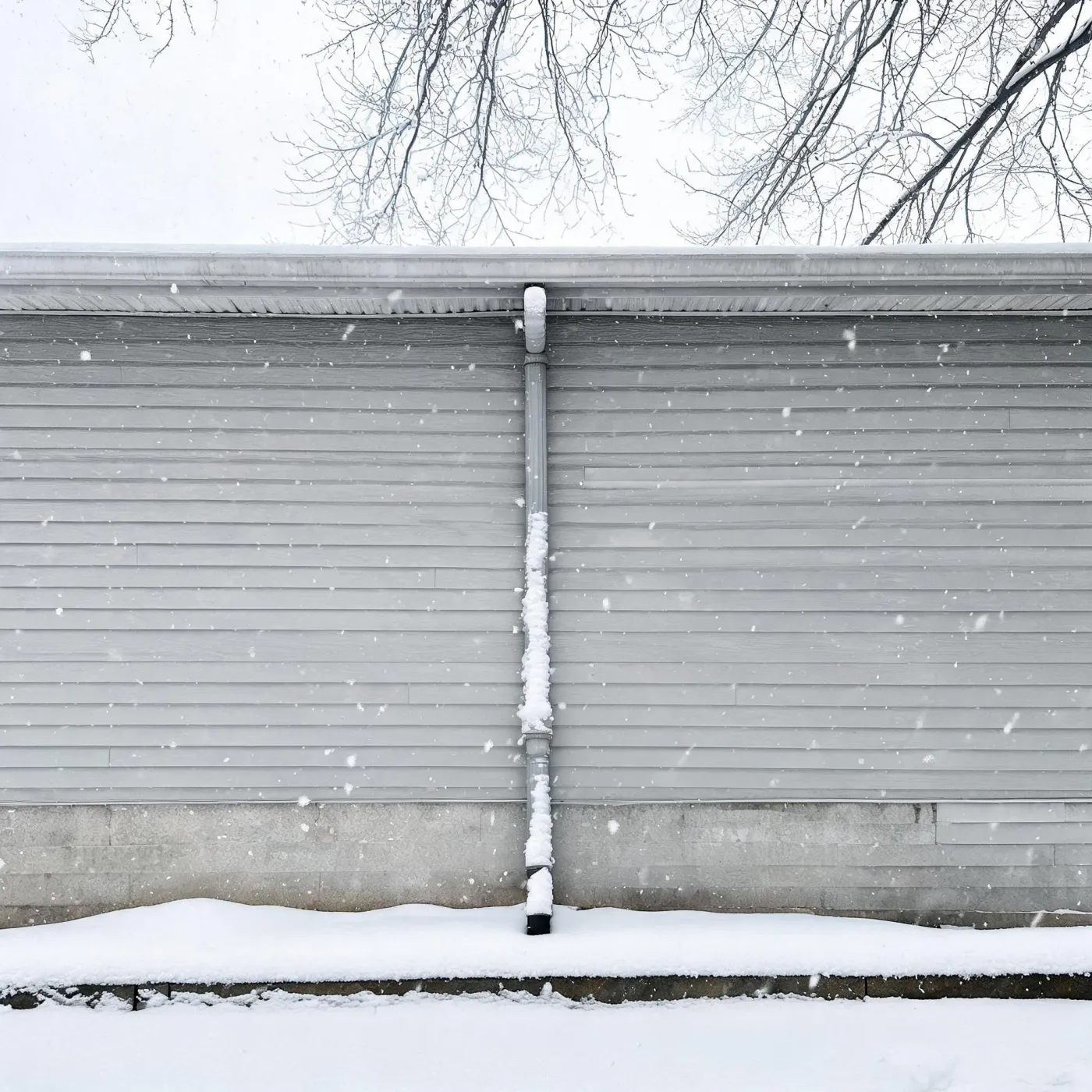
On a typical January night here, the temperature drops to about 21°F statewide, according to NOAA climate data. That's the kind of cold where your furnace isn't cycling on and off anymore, it's running long stretches to keep up. A power outage on a night like that isn't an inconvenience, it's a house losing heat fast while the blower motor sits dead. A generator sized to cover that startup surge is what keeps the furnace firing through the outage instead of waiting on the power company while the house cools down room by room.
NOAA nClimDiv 1991-2020 county normals weighted by homes
Portable Generator vs Standby Generator
Portable Generator
- Costs less upfront and can double as backup power for a sump pump, refrigerator or a few lights during a storm.
- Has to be manually started and refueled, which means going outside in the cold every few hours during a long outage.
- Needs a transfer switch installed so it can feed the furnace circuit safely instead of running extension cords through a window.
- Most units in the 5,000 to 7,500 watt range will run a furnace along with a couple of other small loads, not the whole house at once.
- Runs on gasoline, so you're storing fuel and watching the tank level through a multi-day outage.
Standby Generator
- Starts on its own within seconds of an outage, so the furnace keeps running even if nobody's home to flip a switch.
- Runs on natural gas or propane, which means no trips outside to refuel while it's below freezing.
- Sized to cover the furnace along with the rest of the house, not just enough to keep the blower motor turning over.
- Requires a dedicated pad or mounting location outside the home and a permitted gas connection.
- Costs more to install than a portable setup, since it's a permanent piece of equipment tied into your gas line and electrical panel.


Why does the house feel colder within hours of an outage?
Once the power cuts out, your furnace stops with it, even though the gas line is still live. You'll notice the thermostat screen go dark, then the air coming from the vents turns cold as whatever heat is left in the ducts runs out. On a 21°F night, a house without heat loses warmth fast, and pipes along outside walls or in the basement are the first to be at risk if the outage runs long. Anyone in the house who's older, very young or relies on medical equipment feels the drop sooner than the thermostat shows it. A sized generator keeps the blower and control board running so the furnace never actually stops.




Get the right pro for your furnace
You already know a Massachusetts outage in January doesn't give you much time to figure things out, your furnace stops the moment the power does, and the pipes don't wait long after that. Once you know the wattage your blower needs, the harder part is finding someone who installs standby or transfer-switch setups sized right for a gas furnace, and doing it before the next storm rather than during it. That usually means calling a few electricians, explaining your furnace and panel setup each time, then sitting on quotes trying to compare them against each other. Sizing a generator for your furnace is the easy part. Getting it installed by someone who knows gas furnaces and Massachusetts panels, without spending your evenings on the phone, is the part worth handing off. That's what the button above does.

What actually draws the power inside your furnace
The blower motor is the one part that decides your generator size, and it doesn't pull the same amount of power the whole time it runs. When the motor first starts, it draws a surge of current, called locked rotor amps, that can run two to three times higher than what it needs once it's spinning at speed. That surge lasts a second or two. A generator sized only for the motor's running watts will stall or trip during that first moment, even if it has plenty of capacity once the blower is up to speed.
This is why two furnaces with the same running wattage can need different generators. A bigger blower, or one with a harder starting load, needs more surge capacity even if it settles down to a similar draw. The nameplate on the furnace or the installation manual usually lists both numbers, running and starting watts, and a contractor sizing a generator for your house will size it against the second one, not the first. Getting matched with someone who asks for those numbers before quoting anything is the difference between a generator that runs your furnace and one that just about handles it.


Starting watts versus running watts
A generator's two ratings on the box matter here. The running watts cover the blower once it's up to speed. The starting or surge watts cover that first second when the motor kicks on and pulls two to three times more current. A generator rated only for running watts close to what your blower needs will stall the moment the furnace tries to start, even though the number looked fine on paper.

What else shares the circuit
If you're also running a sump pump or a well pump off the same generator, add its startup draw on top of the furnace's, since both can hit their surge at the same time during a storm. A refrigerator cycling on mid-outage does the same thing. Sizing for the furnace alone works until something else on the same generator decides to start up at the same moment.
Winter nights average 21°F statewide
At 21°F, your furnace is one of the first things you notice losing when the power goes. It won't be cycling anymore, it'll be running close to nonstop just to hold the thermostat setting, so a generator sized for that startup draw matters more on a night like this than it would in October.
NOAA nClimDiv 1991-2020 county normals weighted by homes
What size generator you need
- A generator between 5,000 and 7,500 watts covers most gas furnaces here, blower surge included.
- Your furnace needs the least power of anything you'll run on generator power this winter.
- The blower motor's starting watts, not its running watts, set the floor for what size you buy.
- Matching the generator to your specific furnace model is the part most homeowners get wrong on their own.
- A night at 21°F is when an undersized generator and a correctly sized one show the difference.
- Getting this right once means not guessing again every time the power goes out this winter.
The answer comes down to one number: what your blower motor pulls when it starts. For most gas furnaces in Massachusetts, a 5,000 to 7,500 watt generator covers that surge with room to spare, along with the igniter and control board, which barely draw anything by comparison. The furnace is the easy part of this math. It's the smallest load you'll put on the generator all winter, even on a night at 21°F when the system is running almost nonstop to keep the house warm.
Where this gets harder is matching a generator to your specific furnace rather than a generic one. Blower motors vary enough between models that a size which covers your neighbor's furnace might fall short on yours, and the only way to know for sure is to check what your model actually draws at startup, not just once it's running.
That's the part worth handing off. Instead of pulling your furnace's model number, cross-referencing specs, calling a few electricians to ask if they size generators, and explaining your situation again to each one, you can get matched with a contractor who already knows how to size a generator against a furnace's startup draw. They'll reach out, look at what you have, and tell you what covers it. You get the right number once, instead of guessing every time an outage rolls in this winter.

Furnace Installation
A pro who works on furnaces

- Say what's going on with your furnace, and a pro who works on them reaches out.
- A local pro who knows furnaces gets your details and gets in touch.

- Once you send the form, finding a pro is off your list.
- After you send the request, you're done searching.

- Skip collecting and comparing quotes for the new furnace.
- Fill out one short form instead of calling around.

- Your request goes to one pro, not a list of companies.
- One installer gets your project, so there's no bidding war over it.