
HVAC Repair in Brockton, MA
Homes here need heat from October through May and cooling from July through August. If your system quits, tell us what it's doing and a licensed contractor who covers Plymouth County will get in touch.
Tell us about the job
It takes about a minute.
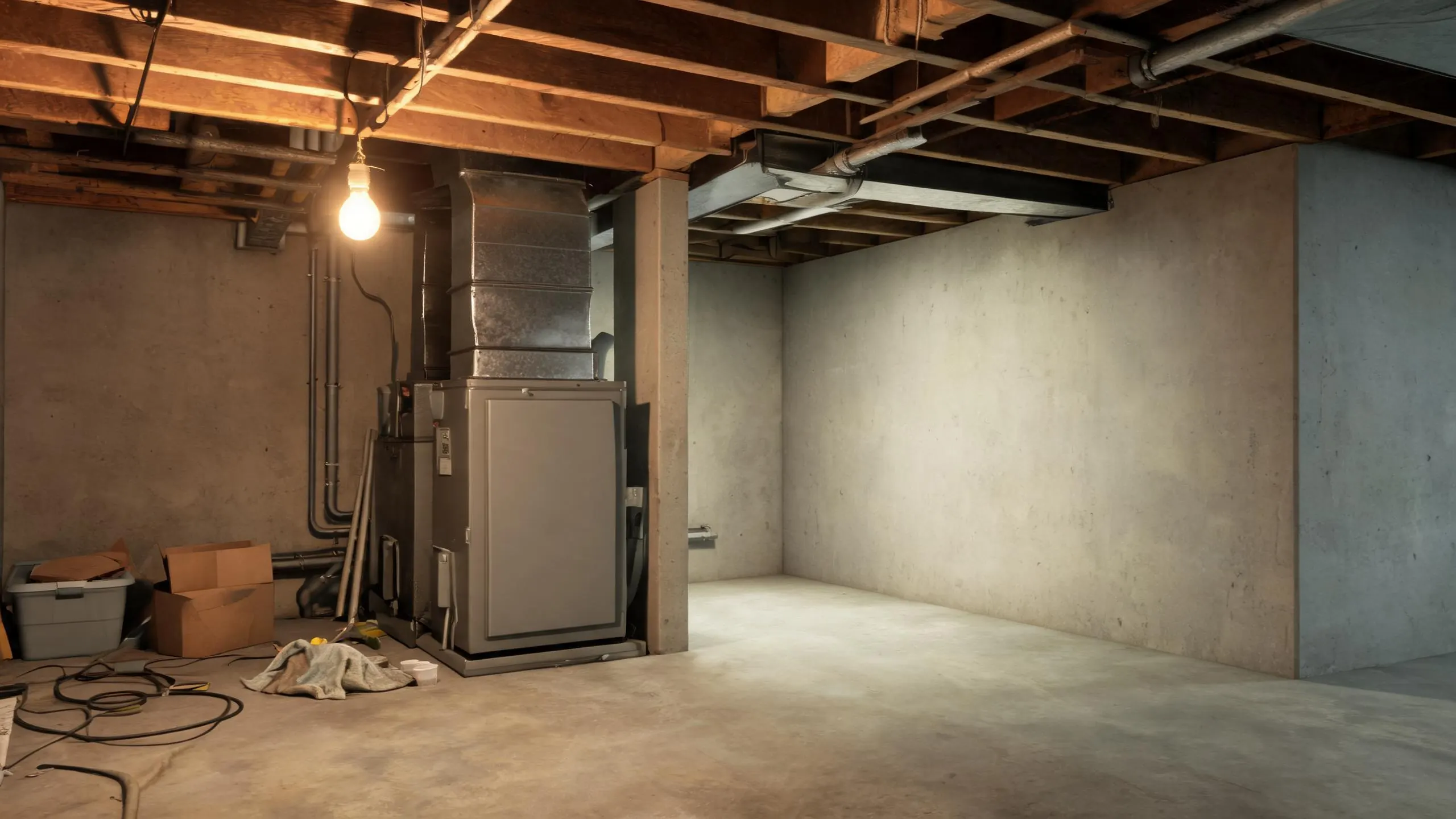
Ten months of work, most of it in the cold
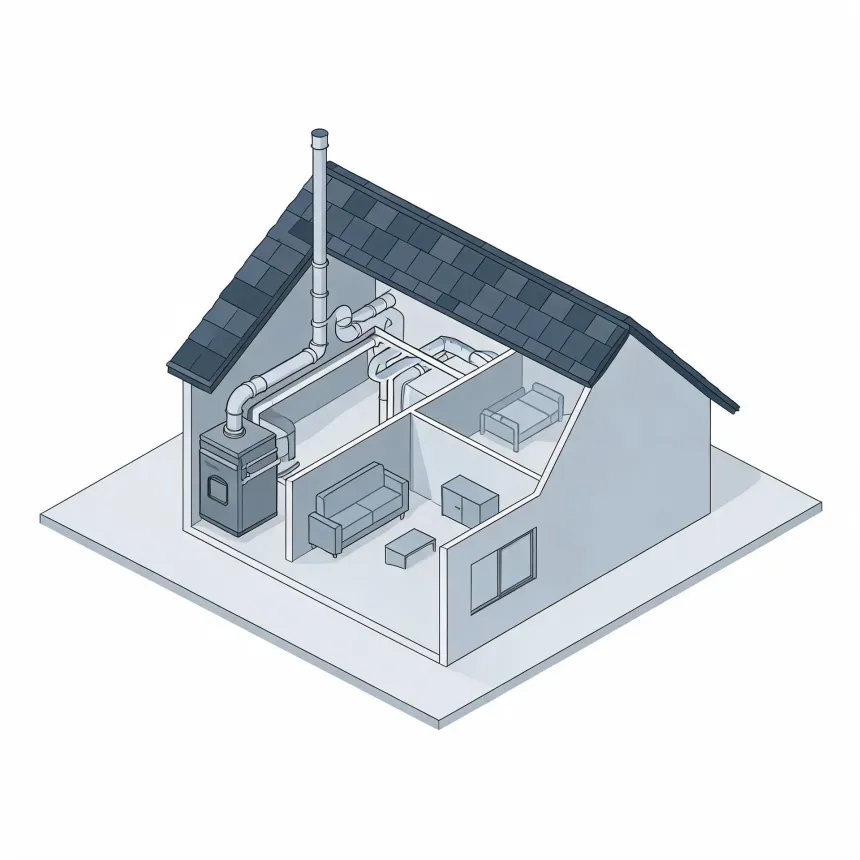
Your furnace in Brockton runs from October through May, eight months a year, and on winter nights that drop to 23°F on average it cycles on and off most of the night to keep up. Every one of those cycles puts a load on the igniter and the burner. When the igniter wears out, the furnace won't light at all, and you find out at the worst possible time, in the middle of the night when it's below freezing outside.
Summer is short here, just July and August, with afternoons around 80°F. That's not long or hot enough to wear down a system the way winter does, but it still asks the compressor and coil to work after months of sitting idle, and that's often when a weak part finally gives out. Add in the storms this area sees, 61 winter storms and 346 damaging wind events over the past ten years, and the power outages that come with them, and you've got a system that has to restart itself again and again through the season. Most furnaces and water heaters come back on their own once power is restored, but a hard freeze during an outage can still cause its own damage before that happens.
- 8 months
- October through May, your system heats
- 2 months
- July through August, it cools
- 23°F
- the average winter night it heats against
- 80°F
- the average summer afternoon it cools against
NOAA nClimDiv, 1991–2020 normals

A new furnace and air conditioner would cut about $220 a year off heating and cooling for a typical Plymouth County home.
Estimates for a typical Plymouth County home, compared with an older unit built to the previous federal minimum, from EIA household energy data, Massachusetts fuel prices and NOAA climate normals. Your home will differ.
Repair makes sense when one part has failed.
Replacement makes sense when the furnace's heat exchanger is cracked, the air conditioner's compressor has failed, or repairs keep coming.
- Why is my heat not working?
- Start with the thermostat. Make sure it's set to heat, the temperature is set above room temperature, and it has power if it runs on batteries. If the thermostat looks right, check your breaker panel for a tripped breaker and check that the furnace switch, often near the unit and shaped like a light switch, is on. Gas furnaces also need a pilot light or an electronic igniter to work, and if that's failed the furnace won't fire even though the blower runs. A furnace that's out with winter nights here averaging 23°F needs attention fast, so if these checks don't get heat back, it's time to call a contractor.
- Why is my system running but not cooling the house?
- The most common cause is a dirty air filter choking off airflow. Check it first and replace it if it's gray or clogged. Next look at the outdoor unit and clear away any leaves, grass clippings or debris blocking the coil, since it needs open airflow to release heat. If the filter is clean and the outdoor unit is clear but the air coming from your vents feels warm or barely moves, the system may be low on refrigerant or have a failing part, and that needs a contractor to diagnose. Running low on refrigerant for long stretches can damage the compressor, so don't wait too long into a hot spell to get it looked at.
- What can I check before calling for HVAC repair?
- Check the thermostat first. Confirm the mode, the set temperature, and the batteries if it has any. Check your breaker panel for a tripped breaker and check that any power switch near the indoor or outdoor unit is on. Check the air filter and replace it if it's dirty, since restricted airflow causes problems with both heating and cooling. For outdoor units, clear away leaves or debris blocking the coil. If you smell gas, don't do any of this. Leave the house and call the gas company first.